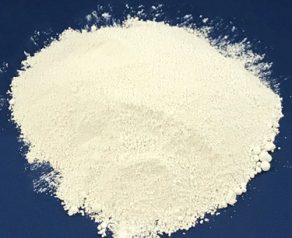
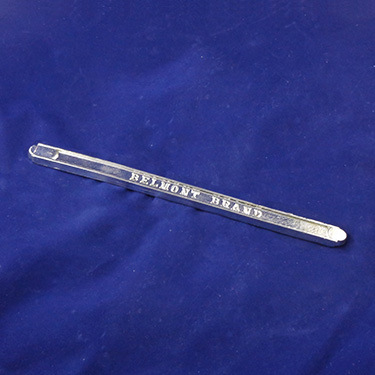
Product Code: 7004

99.99% Tin

Lead-freeUltra-Pure 99.99% Sn Extremely Low Trace Metal Content Semiconductor and Electronics Grade Certificate of Analysis
99.99% Sn ultra-pure tin with extremely low lead, cadmium, antimony, and copper for applications requiring the highest purity grade. Shot, bars, pigs, and ingots.
Solidus
449°F (232°C)
Liquidus
449°F (232°C)
Density
0.263 lbs/in³ (7.29 g/cm³)
Primary Elements
Sn
Nominal Composition
Bal, 99.99% Sn
Custom request

Can't find the right composition?

Product Overview

99.99% Tin is an ultra-pure tin with a nominal composition of 99.99% Sn, refined to the highest commercially available purity grade with extremely low levels of lead, cadmium, antimony, and copper — the trace elements that most frequently contaminate standard Grade A tin and degrade performance in purity-sensitive applications. Applications requiring 99.99% tin include semiconductor and electronics manufacturing where trace metal contamination affects device reliability; pharmaceutical and food-grade tin chemical synthesis where heavy metal impurity limits are tightly regulated; electroplating bath preparation for high-purity decorative and functional tin plating where bath chemistry is critical; research and development applications requiring a certified pure tin reference material; and tin whisker studies where trace element effects on whisker growth must be controlled. Conflict-free certification and a certificate of analysis are supplied. Forms: 8-20 mesh shot, approximately 1 lb bars, approximately 53 lb pigs, and approximately 5 lb ingots to serve the full range of production and laboratory requirements.

Available Forms

8-20 Mesh Shot, Approx. 1 Lb. Bars, Approx. 53 Lb. Pigs, Approx. 5 Lb. Ingots

Product Code

7004

Technical Info

Thermal Properties

Melting Point (Solidus)449°F (232°C)
Melting Point (Liquidus)449°F (232°C)

Physical Properties

Density (imperial)0.263 lbs/in³
Density (metric)7.29 g/cm³
Primary ElementsSn
Lead FreeYes
Key Features
Ultra-Pure 99.99% SnExtremely Low Trace Metal ContentSemiconductor and Electronics GradeCertificate of Analysis

Nominal Composition

  • 99.99% Sn
  • Bal

Frequently Asked Questions

Common technical inquiries regarding 99.99% Tin
The 0.14% difference in nominal purity represents a 100-fold reduction in total trace elements — from approximately 1,500 ppm in Grade A to approximately 100 ppm in 99.99% tin. This matters in applications where trace elements have specific detrimental effects: in electroplating baths, antimony and bismuth at even 10-50 ppm levels affect deposit brightness and ductility; in semiconductor packaging, lead above approximately 100 ppm in tin coatings is a regulatory concern under RoHS; in tin whisker research, the presence or absence of trace bismuth significantly affects whisker nucleation and growth rate. For standard casting, soldering, and general foundry use, Grade A 99.85% is adequate and the cost premium of 99.99% is not justified.
In semiconductor packaging, 99.99% tin is used for electroplating lead-free tin finish on leadframes, connectors, and component leads — replacing tin-lead (60/40) solderability coatings phased out by RoHS. Critical impurity limits for these applications include: lead below 1,000 ppm (RoHS limit for homogeneous materials); bismuth below 100 ppm (bismuth above this level promotes tin whisker growth in electroplated coatings); antimony below 100 ppm (affects deposit ductility); and silver below 10 ppm (affects deposit morphology). The certificate of analysis for 99.99% tin confirms these elements are controlled below the levels that affect deposit quality and regulatory compliance.
Tin whiskers are electrically conductive single-crystal tin filaments that spontaneously grow from electroplated tin surfaces over time, potentially bridging adjacent conductors and causing short circuits in densely packed electronics. Whisker growth is driven by compressive stress in the tin deposit, and trace elements significantly affect both the stress level and the kinetics of whisker nucleation and growth. Lead at 1-2% in tin-lead plating suppresses whisker growth, which is why the transition to lead-free RoHS-compliant tin plating has required intensive development of whisker mitigation strategies. Bismuth at concentrations above approximately 100 ppm in the plating bath also promotes whisker growth — controlling bath tin purity at 99.99% minimizes bismuth introduction from the anode metal.

Safety Data (SDS)

Request a Quote

Complete our Quote form, and we'll respond with options for you!