Belmont Bulletin

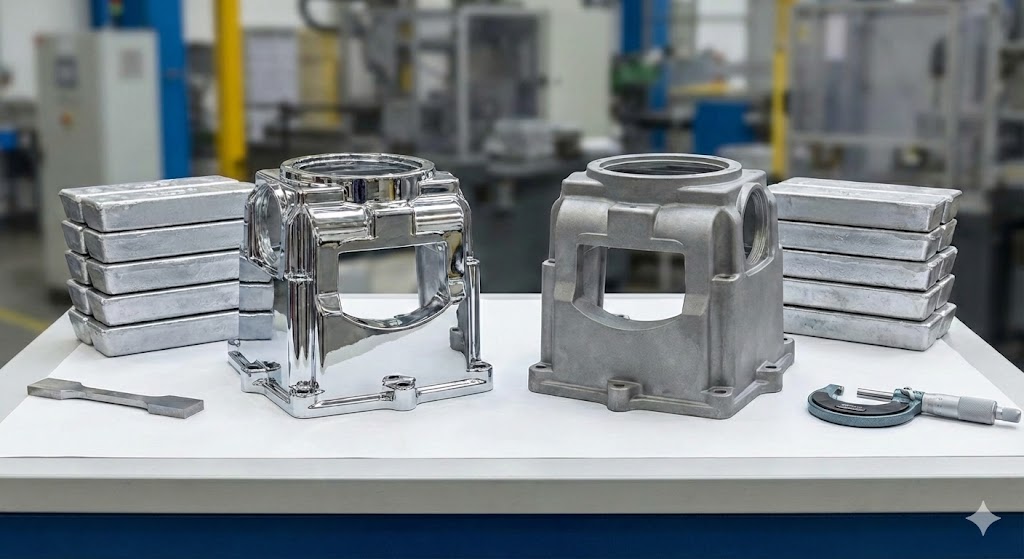
Zamak 3 vs. Zamak 5: Which Alloy Does Your Project Actually Need?

In the high-speed, high-volume world of zinc die casting, the “Zamak” family of alloys is the undisputed king. These zinc-aluminum-magnesium-copper alloys are legendary for their ability to be cast into complex, thin-walled shapes with incredible precision, excellent surface finish, and minimal tool wear. They are the backbone of industries ranging from automotive and electronics to…
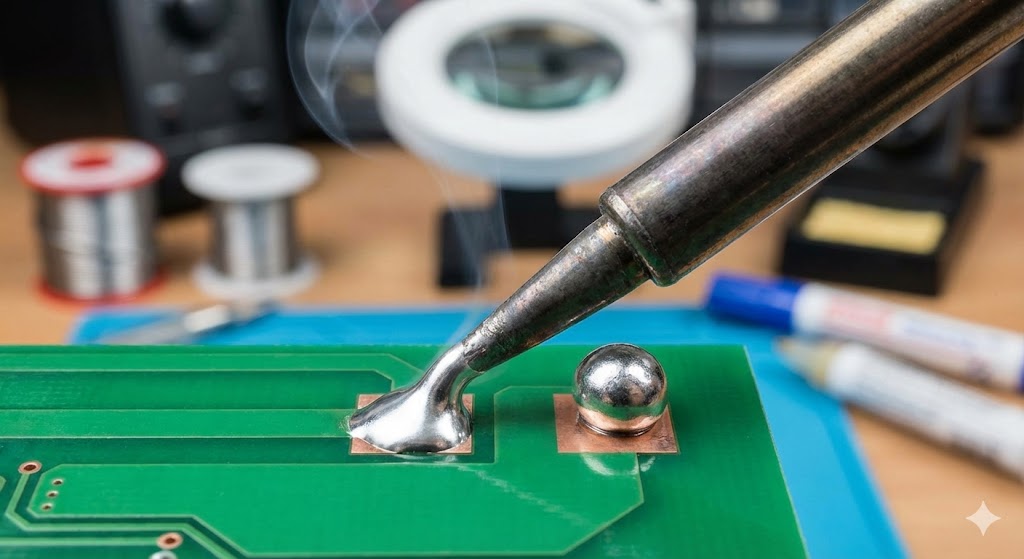
The “Wettability” Factor: Solving Your Toughest Soldering Challenges

A “cold joint.” A “dewetted” pad. A bond that snaps under the slightest vibration. In the world of industrial soldering and electronics manufacturing, these failures are often immediately blamed on operator error—”The iron wasn’t hot enough” or “The technician moved the part.” But after analyzing thousands of failed joints in our lab, the team at…

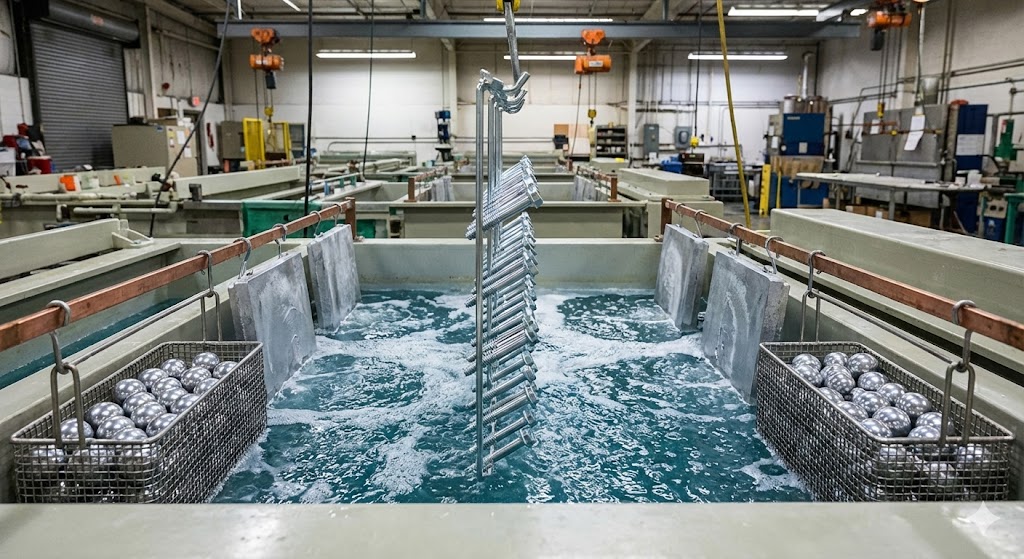
The Perfect Plate: Troubleshooting Zinc Anode Performance

In the electroplating business, margins are tight and deadlines are tighter. There is nothing more frustrating than halting a high-volume production line because of “anode passivation”—the formation of a non-conductive film on the anode surface that stops the flow of current. When plating slows down, voltage spikes, or deposits become uneven, the instinct is often…

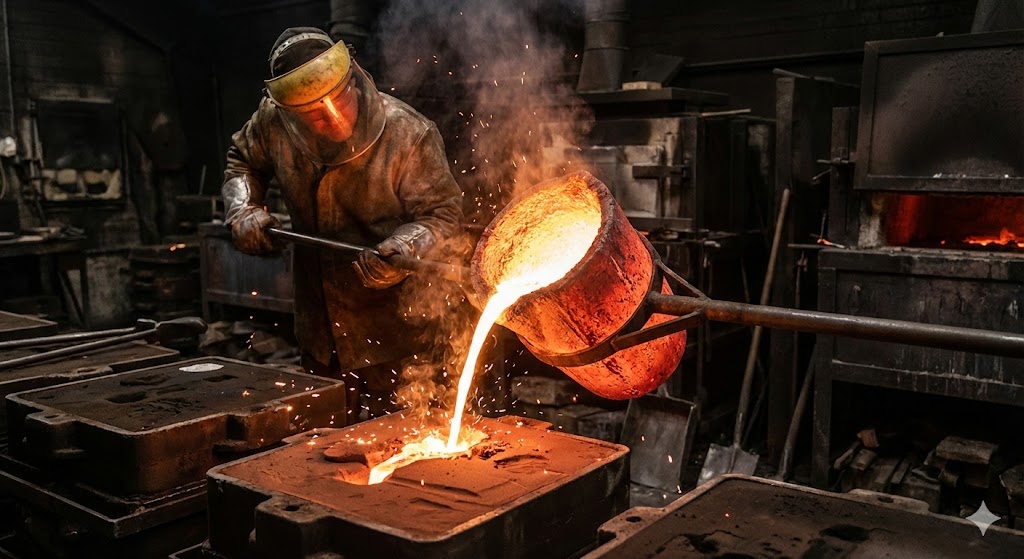
The Conductivity Conundrum: Deoxidizing Without Losing Power

In the world of high-conductivity casting, oxygen is the persistent enemy. Molten copper is essentially a sponge for gas; if left untreated during the melting process, it readily absorbs oxygen from the atmosphere. Upon cooling, this dissolved oxygen reacts with the copper to form Copper Oxide (Cu2O) at the grain boundaries, leading to steam embrittlement,…