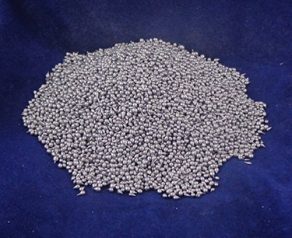
Linotype Alloy is a lead-antimony-tin casting alloy with a nominal composition of 84% Pb, 12% Sb, and 4% Sn — the classic hot metal typesetting alloy formulation used extensively in the printing industry from the 1880s through the 1970s. The combination of 12% antimony and 4% tin produces a eutectic-near composition that melts and solidifies sharply with excellent fluidity, fine detail reproduction, and as-cast hardness significantly higher than pure lead. The alloy exhibits slight expansion on solidification that ensures complete mold fill and dimensionally accurate castings. Today linotype is widely used for bullet casting and fishing jig production where its hardness (approximately 22 HB), low cost, and easy availability make it attractive. Forms: 10-20 mesh and 12-30 mesh shot, 20-25 lb and 40 lb pigs for production casting operations.
Classic Linotype CompositionHigh Hardness Lead AlloyBullet and Jig Casting GradeMultiple forms
Nominal Composition
84% Pb
12% Sb
4% Sn
Frequently Asked Questions
Common technical inquiries regarding Linotype Alloy
Standard Linotype (84% Pb, 12% Sb, 4% Sn) and 412 Linotype (84.25% Pb, 11.5% Sb, 4.25% Sn) are nearly identical in composition — the difference is 0.5% in antimony and 0.25% in tin which falls within the normal batch-to-batch variation of both products. For bullet casting purposes the two alloys are functionally interchangeable both achieving approximately 22-24 HB hardness in the as-cast condition. The 412 designation historically referred to specific equipment alloy specifications rather than a meaningfully different composition for end-use casting applications.
Lead-base alloys including linotype are cast into jig molds to produce fishing jigs, sinkers, and weighted lures. Linotype's advantages over pure lead for jig casting include higher hardness that resists denting on rock impact, better retention of painted finishes (softer lead deforms and the paint chips more readily), and sharper mold fill from the alloy's slight expansion on solidification. Jig heads cast from linotype hold hook eyes more securely than soft lead under repeated bending stress during fishing. The alloy's low melting temperature (under 700°F) is compatible with standard aluminum and cast iron jig molds.
Significant quantities of linotype alloy were accumulated in printing plants during the hot metal typesetting era. Recycled linotype from this source is widely available and generally meets the 84% Pb, 12% Sb, 4% Sn specification within normal tolerances making it suitable for bullet casting and jig making where precise chemistry certification is not required. However recycled material may contain contamination from printing inks, type wash solvents, or mixed alloy additions made during production operation — for applications requiring certified chemistry or consistent hardness virgin material from Belmont ensures specification compliance.