
At Belmont Metals, we’re committed to supplying innovative metals and alloys that drive efficiency for metal buyers and engineers in demanding industries. Today, we’re spotlighting low melting alloys, particularly bismuth-based formulations, and their transformative role in oil field completions. As a reliable provider of custom low melting alloys, Belmont Metals helps optimize well integrity and…
|
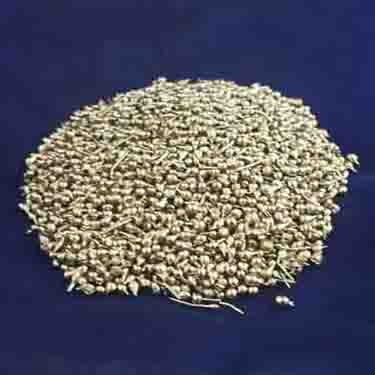
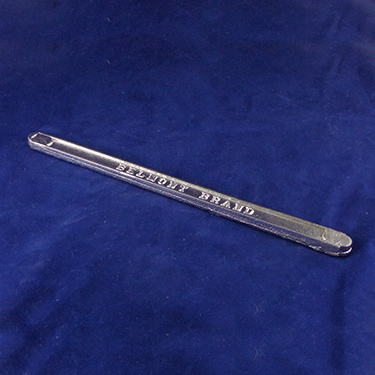
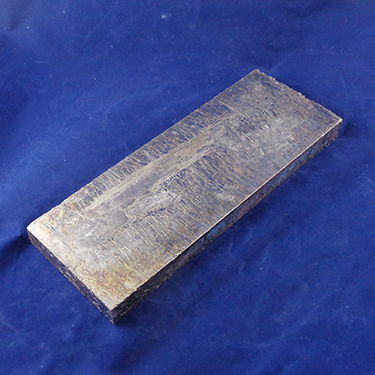
99.99% High-Purity Bismuth is a versatile, non-toxic post-transition metal and the premier choice for applications requiring a safe, high-density alternative to lead. Known for its unique property of expanding upon cooling and its exceptionally low thermal conductivity, it is a critical component in the manufacturing of low-melting (fusible) alloys, fire sprinkler triggers, and specialized solders. Its high purity makes it ideal for the production of bismuth-based chemicals, laboratory reagents, and high-performance pigments. Supplied in various forms, it ensures consistent results for precision alloying and complex metallurgical processes where chemical integrity is paramount.
|
|
| Forms: |
|
|---|---|
| Belmont Product Code | 2001 |
| Nominal Composition: |
|
|---|
| Technical Info: |
|
|---|
Downloads:
| Datasheet |
Related products
-


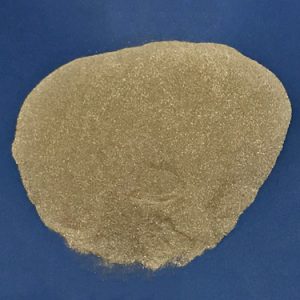
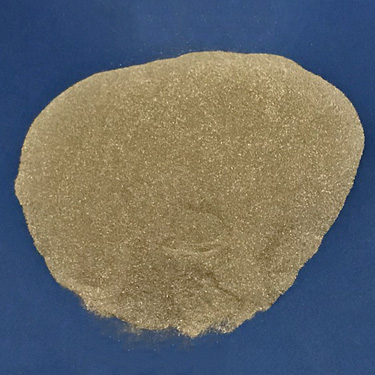
Our 99.9% High-Purity Bismuth Powder is a versatile, non-toxic material widely used as a safer alternative to lead in a variety of industrial and chemical applications. Due to its unique property of expanding upon solidification and its low toxicity, it is a primary choice for manufacturing specialized pigments, chemical reagents, and cosmetic formulations. It is also extensively utilized in the production of low-melting (fusible) alloys, ammunition, and as an alloying element in free-machining steels and aluminum. This fine powder offers high density and consistent purity, ensuring reliable performance in complex metallurgical and laboratory processes.
Forms: - 100 Mesh Powder
Belmont Product Code 2003 Nominal Composition: - 99% Bi
Technical Info: - Melting Point: 520.5°F (271.4°C)
- Appearance: Fine Silver-Grey Powder
- Density: 9.78 g/cm³
- Features: Non-Toxic Lead Alternative, High Purity
-
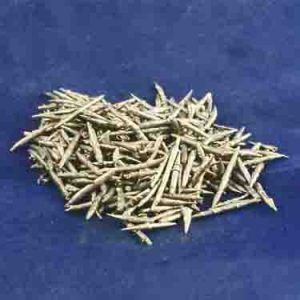
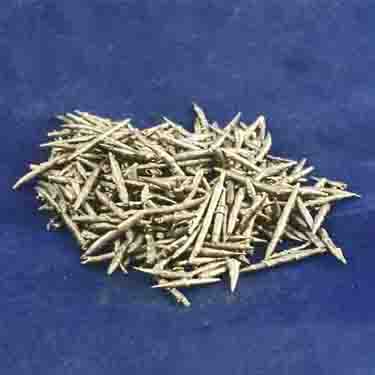
Bismuth is a white, brittle metal with a slight pink color and is typically recovered as a by-product of lead and copper. It is commonly used as an alloying element for various low melting alloys where it is mixed with other metals such as Lead, Tin, or Cadmium. It is also used as well for a lead substitute in other materials. The Needles allow you to have more surface area and pack very tight when melting. They have a purity of 99.9%.
Forms: - Needles
Belmont Product Code 2002 Nominal Composition: - 99.9% Bi
Technical Info: - Melting Point: 520.5°F (271.4°C)
- Boiling Point: 2,847°F (1,564°C)
- Density: 9.78 g/cm³
- Features: Non-Toxic, High Diamagnetism, Expands on Solidification
RELATED POSTS

Advantages of Eutectic Alloys vs. Non-Eutectic Alloys to Low Melting Materials
Eutectic alloys and non-eutectic alloys are categories when discussing low melting alloys. Low melting alloys require lower temperature ranges to melt, anywhere from 40 degrees to 300 degrees Fahrenheit. This property allows for the alloys to be melted at lower temperatures without damaging or impacting other nearby materials or surfaces that the low melting alloy…
Why Companies Are Switching from Lead to Bismuth for Copper and Tin Alloys
Are you looking for an alternative to lead-based alloys? Many companies are moving away from lead and copper and tin alloys due to the regulations and toxicity associated with the heavy metal, and that often means choosing bismuth. The good news is that bismuth has a relatively low melting point, and it’s durable and malleable…
Pure Bismuth: Characteristics of This Metal
Bismuth is an element that we often hear about in offhand ways yet don’t know a lot about at first. It is a crystalline element that comes in various colors ranging in white, purple, pink and silver. In its pure form, people will often think it is lead. Bismuth is widely used in the manufacturing…
Different Properties of Low Melting Alloys
Joining metal parts together with solder, easily bending pipes to go around corners and components, and lens blocking systems all rely on the use of low melting alloys. This type of metal allows for products, parts and components to be manufactured and cast at lower temperatures. This feature is ideal when requiring lower temperatures to…
Bismuth-Based Low Melting Alloys Providing Benefits to the Art Casting Industry
Throughout history, art casting has been used to create beautiful works of art, to recreate previous works of art that may have become damaged or deteriorated due to age, or when mass-producing art pieces. The art casting method involves using wood, stone, plaster, or silicon rubber molds and some type of pliable material, such as…
Characteristics of Low Melting Alloys
Manufacturers around the globe rely on quality materials to create a range of parts, equipment and products for businesses and consumers. During the assembly process, different materials may need to be joined together for a tight seal, cast in a mold to a designed form, or bent into a new direction without collapsing. Low melting…
Liquid metal’s low melting point
Fusible alloys’ low melting point makes them useful in a wide variety of applications The melting point of aluminum is 1,220 degrees Fahrenheit. Carbon steel melts somewhere between 2,600 and 2,800 degrees Fahrenheit, and the temperature needs to rise all the way up to 6,150 degrees Fahrenheit to melt tungsten. Specialized furnaces are needed to…
The Basics of Bismuth
This white element is an essential part of many alloys Purple-Silver, crystalline Bismuth has been in use since the early days of alloying, although during those times, it was often mistaken for Lead. It’s the most naturally diamagnetic element, which means it repels both north and south, and it has one of the lowest values…