
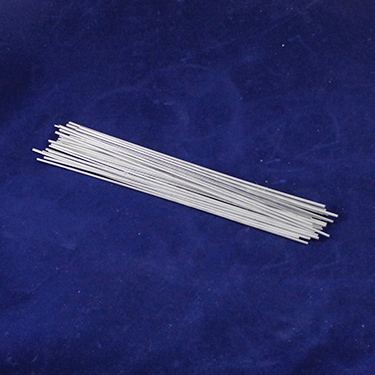
Product Code: 8911

MAB II Hi-Test

Lead-freeExtra Ductility Aluminum Miter Joint Window Frame Fabrication Brazed-Joint Strength
Aluminum joining rod with extra ductility. Forms: cast strip and ingot. Used for joining aluminum pieces, particularly mitered corners requiring bending during installation.
Solidus
700°F (371°C)
Liquidus
725°F (385°C)
Density
0.236 lbs/in³ (6.54 g/cm³)
Primary Elements
Al · Zn · Cu
Nominal Composition
Proprietary
Custom request

Can't find the right composition?

Product Overview

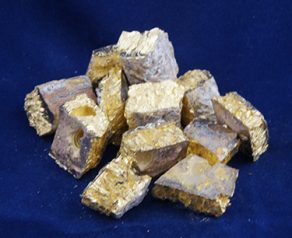
MAB II Hi-Test (Miter-AL-Braze) is an aluminum joining rod formulated to provide extra ductility compared to the No. 1 Regular MAB version. While it is not as hard or strong as the Regular formulation, the increased ductility makes it well suited for applications where some bending of the joined assembly is required after joining, notably aluminum window frame mitered corners that must be bent during installation. The strength of a MAB joint is in many cases comparable to that of a brazed joint, making it a practical joining material for aluminum fabrication where full fusion welding is unnecessary or impractical. MAB II Hi-Test is primarily used by aluminum window and door manufacturers, architectural aluminum fabricators, and other industries where aluminum extrusions or profiles must be joined at angles with post-joining deformation. Forms: 1/8″ x 18″ cast strip, 3/32″ x 18″ cast strip, and ingot form.
Available Forms

1/8” X 18” Cast Strip, 3/32” X 18” Cast Strip, Ingot

Product Code

8911

Technical Info

Thermal Properties

Melting Point (Solidus)700°F (371°C)
Melting Point (Liquidus)725°F (385°C)

Physical Properties

Density (imperial)0.236 lbs/in³
Density (metric)6.54 g/cm³
Primary ElementsAl · Zn · Cu
Lead FreeYes
Key Features
Extra DuctilityAluminum Miter JointWindow Frame FabricationBrazed-Joint Strength

Nominal Composition

  • Proprietary

Frequently Asked Questions

Common technical inquiries regarding MAB 11 HIGH TEST
MAB II Hi-Test is formulated with a composition adjustment that improves elongation and ductility at the expense of some hardness and tensile strength compared to the No. 1 Regular. Hi-Test should be specified when the fabricated assembly will be bent, flexed, or deformed after joining. No. 1 Regular is preferred for general-purpose aluminum joining where maximum joint strength is the priority and post-joining deformation is not required.
MAB joints achieve strength levels that in many cases equal those of brazed joints in aluminum, making MAB a practical alternative where brazing equipment or controlled atmospheres are not available. The joint strength depends on proper surface preparation, adequate filler application, and correct heating technique. Like brazed joints, MAB joints rely on metallurgical bonding rather than mechanical interlocking, so surface cleanliness and oxide removal prior to joining are critical.
Propane or air-acetylene torch heating is the standard method for MAB rod application in window frame fabrication. The aluminum base metal must be brought to the correct temperature, typically indicated by the rod beginning to flow on contact with the heated base metal rather than the flame. Overheating the base metal risks melting thin extrusion sections, while underheating produces a cold joint with inadequate bonding.

Safety Data (SDS)

Request a Quote

Complete our Quote form, and we'll respond with options for you!