
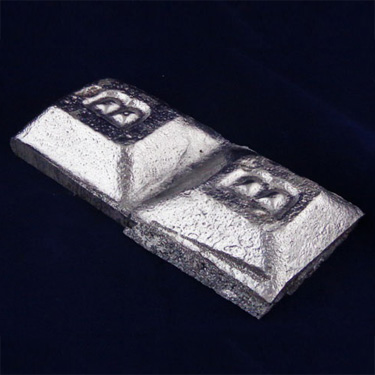

In the rapidly maturing world of Additive Manufacturing (AM), the industry’s focus has shifted. For the last decade, the headlines were dominated by the machines—faster lasers, larger build volumes, and smarter recoaters. But as metal 3D printing moves from “prototype” to “production,” experienced metallurgists are realizing that the hardware has outpaced the materials. The reality…
The variety of materials available for metal AM systems is continuously expanding. Common materials used are stainless steels, aluminium, nickel, cobalt-chrome and titanium alloys, with a number of machine manufacturers offering their own materials.
Belmont assists with the production of specialty materials that are designed with 3D printing processes in mind.
Read More
Showing all 3 results
Featured products
-
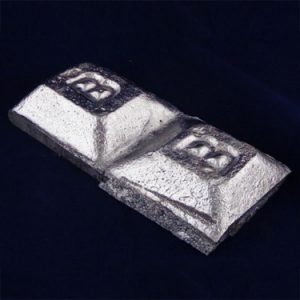

Scalmalloy is a high-performance aluminum alloy designed specifically for additive manufacturing, boasting an outstanding strength-to-weight ratio that’s perfect for aerospace and automotive industries. Its unique blend of superior strength, ductility, and corrosion resistance outperforms traditional aluminum alloys, enabling the production of lightweight, durable components. Ideal for crafting complex geometries, Scalmalloy enhances design flexibility and slashes... Forms: - Ingot
- Waffle
Belmont Product Code Nominal Composition: - Al Bal
- Mg 4%
- Sc 0.7%
- Mn 0.5%
Technical Info: - Melting Point (Liquidus): ~1,180°F (638°C)
- Melting Point (Solidus): ~1,070°F (577°C)
- Density: ~0.096 lbs/in³ (2.66 g/cm³)
- Features: Good Weldability, High Strength
Related Products
RELATED POSTS

Popular Metals Used with Additive Manufacturing
Additive manufacturing processes involve using materials to create parts, components, and finished products by layering the materials together. These processes create both simple and complex geometric parts for a range of industries including medical, aerospace, and automotive. In addition, many manufacturers use additive manufacturing for prototyping design concepts. These prototypes are made quickly and modified…