

Bronze and brass are both copper alloys, but they solve different problems. One excels at reducing friction, while the other is ideal for applications requiring high levels of conductivity. They also differ in corrosion resistance, wear, machining time, and cost. Understanding how each metal performs under various service conditions can help you meet performance targets…
|
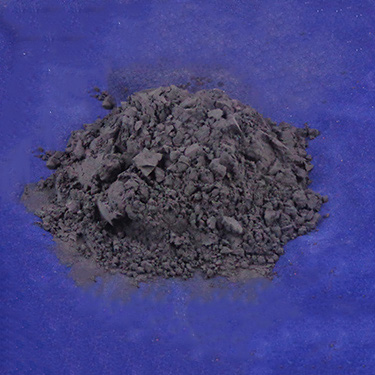
This high-purity granular copper powder is atomized to a fine 325 mesh size, offering a high surface area and consistent particle distribution for specialized industrial applications. It is a critical material in powder metallurgy for producing high-density sintered parts, as well as a key component in the manufacturing of friction materials, carbon brushes, and diamond tools. Additionally, its high electrical and thermal conductivity makes it an ideal choice for conductive inks, thick film pastes, and specialized chemical catalysis. This granular form ensures excellent flowability and uniform blending in complex manufacturing processes. |
|
| Forms: |
|
|---|---|
| Belmont Product Code | 4307A |
| Technical Info: |
|
|---|
Related products
-
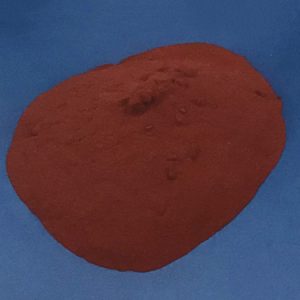

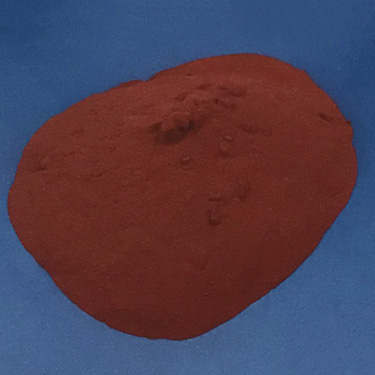
High Grade Red Grade RR is a premium Cuprous Oxide (Cu2O) engineered for high-purity industrial applications. It is widely utilized as a potent colorant and pigment in the production of glass, ceramic glazes, and enamels to achieve vibrant red and brownish tones. Beyond its aesthetic uses, this grade serves as a highly effective catalyst in various chemical syntheses, a critical component in wood treatment chemicals, and a reliable source of copper for specialty plating and the preparation of complex copper chemicals. Its consistent quality and particle distribution ensure predictable performance in diverse chemical and manufacturing processes.
Forms: - Cuprous Oxide
Belmont Product Code 4301A Technical Info: - Molecular Weight: 143.09
- Appearance: Fine Reddish-Brown Powder
- Solubility: Insoluble in water; Soluble in hydrochloric acid and ammonium hydroxide
- Feature: High Pigment Strength
-

High Grade Black #200 is a premium Cupric Oxide (CuO) developed for high-purity industrial and chemical applications. It serves as a critical colorant in the production of glass, ceramic glazes, and enamels, providing deep, consistent tones. Beyond aesthetics, it is extensively used as a catalyst in chemical processing, in the formulation of wood treatment chemicals, and as a reliable source of copper in electroplating and the synthesis of other copper-based chemicals. Its high reactivity and consistent particle size ensure optimal performance across diverse manufacturing sectors.
Forms: - Cupric Oxide
Belmont Product Code 4303C Technical Info: - Molecular Weight: 79.55
- Appearance: Fine Black Powder
- Solubility: Insoluble in water; Soluble in acids
- Feature: High Chemical Purity
RELATED POSTS

The Applications for Iron Powder
Many metals are used in their pure powder form in the manufacturing of various products. There are many grades of iron powder, as they are categorized based on their purity, grain size, density, and the manufacturing method. So the iron powder will be modified to fit into the application. Iron Powder Properties Iron powder is…
Silicon Powder Applications and Uses
Many manufacturers require pure metals in a range of different shapes to add as additives when making products. These metals provide different properties to the products, such as hardening metals, providing corrosion resistance, or reduces oxidation. Silicon is one metal found in a wide range of industries due to its versatility and cost-effectiveness. Pure silicon…
A Potential Forecast for the Copper Market in 2022
For the last several months, metal markets have remained tough to predict because of the pandemic’s various impacts on demand and supply and the overall economic climate. Still, prudent businesses must base forecasts upon the best information they have available. Take a look at this year’s copper market and business developments to gain perspective on…
Why Companies Are Switching from Lead to Bismuth for Copper and Tin Alloys
Are you looking for an alternative to lead-based alloys? Many companies are moving away from lead and copper and tin alloys due to the regulations and toxicity associated with the heavy metal, and that often means choosing bismuth. The good news is that bismuth has a relatively low melting point, and it’s durable and malleable…
Different Grades of Copper
Copper is a commercial metal that is used throughout the world due to its mechanical and structural properties. This metal offers excellent thermal and electrical conductivity. Also, it resists corrosion as its malleability and ductility allows the metal to be easily worked and fabricated. There are different grades of metal based on its purity levels….
Copper Preventing Future Pandemics? Research Study Evaluates the Metal’s Anti-Microbial Properties
When working with commercial and industrial manufacturing operations, many companies use specific metals in their applications due to their inherent capabilities. One of the most common metals used is copper, as Belmont Metals offers copper metal, copper alloys, and copper-master alloys such as beryllium copper, lithium copper and zirconium copper to manufacturers, jewelers, artists, and…
Powdered Metals Providing Versatile Appearance in Painting Applications
During the final phase of the manufacturing process, many products and components are coated with a paint to create a more aesthetically-pleasing appearance as well as to seal over the material to improve corrosion and stain resistance. When talking about most painting applications, people are aware of both oil-based and water-based paints. Yet metallic paints…
Gold Karat Alloying: Adding Master Alloys and Virgin Additives to Enhance Characteristics
The beauty and rarity of gold is well-known. It’s treasured by jewelers due to its brilliant color and historians who are in search of antique coins. For everyday applications, gold is found throughout our lives in smart phones, laptops and other electronics as this metal is crafted into gold-plated circuit boards. Applications will use gold…
Discussion and Current Applications for 3d Metal Printing
Are you experimenting with 3D metal printing? Current industry trends say that 3D metal printing will overtake casting by 2020, according to Spotlight Metal, and it’s already being used for small batches of products and parts. If you’re on the forefront of this new manufacturing process or thinking about it, you’re probably interested in the…
3D Metal Printing: Alloys and Powder Types and Specs
Whether creating prototypes for application components, precision gears, or jewelry, more manufacturers are turning to the capabilities provided by 3D metal printing. Also called additive manufacturing, this process relies on technology that uses a metal powder in a layering process to produce the three-dimensional part. There are several methods used in the 3-D metal printing…
Alloy Impurities: Trace Elements Changing the Characteristics of Copper
Throughout industrial and manufacturing operations, you’ll find copper metals used in both equipment and finished products. Pure copper has incredible thermal and conducive properties. It also provides exceptional corrosion resistance. So you’ll often find it in electrical applications and electronic products. In addition, pure copper is very soft and malleable, making it ideal for numerous…
Choosing an Alloy to Get the Best Application Results
Brass and bronze are used in a range of applications, such as component parts for factories, end products for commercial retailers, and creating jewelry for the public. Brass alloys consist of the base metal of copper with varying amounts of zinc added, while bronze contains copper with aluminum, tin, magnesium and other materials. Yet how…
Common Uses for Powdered Metals
If you are debating the best form or metal to use for your manufacturing business, you may be surprised to learn that powdered metals have just as many uses as their metal alloy counterparts. In fact, adding a powdered metal to your master alloy can increase certain desirable properties and decrease certain undesirable properties. Our…
Water safety
Lead-free and low-lead alloys keep up with plumbing industry regulations Copper faucets, sinks and appliances have a lustrous color that helps create a warm atmosphere, making a house feel like a home. Copper and its alloys also are functional and durable. They resist corrosion and require little maintenance, which makes red metals an ideal choice…
Creating complex shapes
Powdered metals help engineers produce parts cost-effectively What is the best way to make a 3-D part out of metal? It depends. There are a number of considerations involved, including time and money. To create parts, manufacturers can choose either a subtractive or an additive manufacturing process. Subtractive manufacturing involves taking a block of material…
Bring out the best
Master alloys help copper shine Red metals have played an important role in many cultures, including those of the ancient Egyptians and Romans, who crafted tools, cookware, dishes, mirrors and razors out of copper. Modern uses for copper include electrical, heating/cooling applications, fluid handling and plumbing applications, as well as an increasing demand for the…