Lead-freeGlass and Ceramic ColorantChemical CatalystHigh Chemical PurityCopper Plating Source
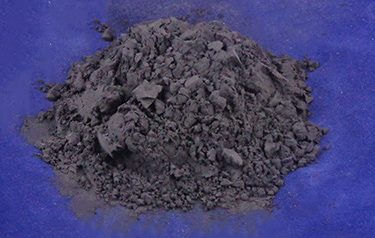
High-purity cupric oxide (CuO) fine black powder. Used as glass and ceramic colorant, chemical catalyst, copper plating source, and wood treatment chemical.
High Grade Black #200 is a premium cupric oxide (CuO) with a molecular weight of 79.55, supplied as a fine black powder that is insoluble in water but soluble in acids. It has a high melting point and decomposes at elevated temperatures rather than having a conventional alloy melting point. The #200 designation refers to the powder grade and particle fineness. Cupric oxide is used as a colorant in glass, ceramic glazes, and enamels, where it produces deep green, blue-green, or black tones depending on the glass composition and firing atmosphere — an oxidizing atmosphere produces green while a reducing atmosphere produces red or purple. In chemical applications, cupric oxide serves as a catalyst and catalyst precursor in a range of organic synthesis reactions. It is used as a source of copper in electroplating bath preparation and in the synthesis of other copper-based chemicals including copper salts, fungicides, and wood preservative formulations. High reactivity and consistent particle size ensure reliable performance across these diverse applications. Supplied as fine black powder.
Available Forms
Cupric Oxide
Product Code
4303C
Technical Info
Thermal Properties
Melting Point (Solidus)1,984°F (1,084°C)
Melting Point (Liquidus)1,984°F (1,084°C)
Physical Properties
Density (imperial)0.209 lbs/in³
Density (metric)5.8 g/cm³
Primary ElementsCu
Lead FreeYes
Key Features
Glass and Ceramic ColorantChemical CatalystHigh Chemical PurityCopper Plating Source
Solubility Note
Insoluble in water; dissolves readily in dilute acids and ammonium hydroxide to produce copper salt solutions.
Frequently Asked Questions
Common technical inquiries regarding High Grade Black #200
In an oxidizing firing atmosphere, copper exists as Cu²⁺ (cupric ion) in the glass network, which absorbs red wavelengths and transmits green and blue-green, producing the characteristic green color of copper-containing glazes. In a reducing atmosphere, copper is reduced to Cu⁺ (cuprous) or metallic copper, which produces red (ruby glass) or metallic copper luster effects. Glaze colorists exploit this atmosphere sensitivity to achieve different effects from the same copper oxide addition by controlling kiln atmosphere during firing.
Cupric oxide is an active biocidal component in copper-based wood preservatives, including micronized copper azole (MCA) and copper naphthenate formulations used for pressure treatment of lumber and timber. Copper ions are toxic to wood-destroying fungi and insects, providing long-term protection against rot, termites, and other biological degradation. Cupric oxide provides a high-purity, reactive copper source for preparing these preservative formulations. Copper-treated wood is widely used for decking, utility poles, and ground-contact structural applications.
Cupric oxide (CuO) contains copper in the +2 oxidation state and is a black powder; cuprous oxide (Cu₂O) contains copper in the +1 oxidation state and is a reddish-brown powder. In glass and ceramics, CuO is used when green tones are desired in oxidizing atmospheres; Cu₂O (SKU 4301A) is preferred when red or ruby tones are the target. In chemical applications, the two compounds have different reactivities and are used to synthesize different copper compounds. CuO is generally more stable and more commonly used for catalyst applications.
High-purity 99% Al powder in 100-325 mesh for pyrotechnics, rocket fuel, conductive coatings, and industrial applications requiring fine metallic aluminum.
High-purity cuprous oxide (Cu₂O) fine reddish-brown powder. Used as red ceramic glaze colorant, chemical catalyst, antifouling pigment, and copper chemical synthesis.
To provide the best experiences, we use technologies like cookies to store and/or access device information. Consenting to these technologies will allow us to process data such as browsing behavior or unique IDs on this site. Not consenting or withdrawing consent, may adversely affect certain features and functions.
Functional
Always active
The technical storage or access is strictly necessary for the legitimate purpose of enabling the use of a specific service explicitly requested by the subscriber or user, or for the sole purpose of carrying out the transmission of a communication over an electronic communications network.
Preferences
The technical storage or access is necessary for the legitimate purpose of storing preferences that are not requested by the subscriber or user.
Statistics
The technical storage or access that is used exclusively for statistical purposes.The technical storage or access that is used exclusively for anonymous statistical purposes. Without a subpoena, voluntary compliance on the part of your Internet Service Provider, or additional records from a third party, information stored or retrieved for this purpose alone cannot usually be used to identify you.
Marketing
The technical storage or access is required to create user profiles to send advertising, or to track the user on a website or across several websites for similar marketing purposes.