Belmont Bulletin

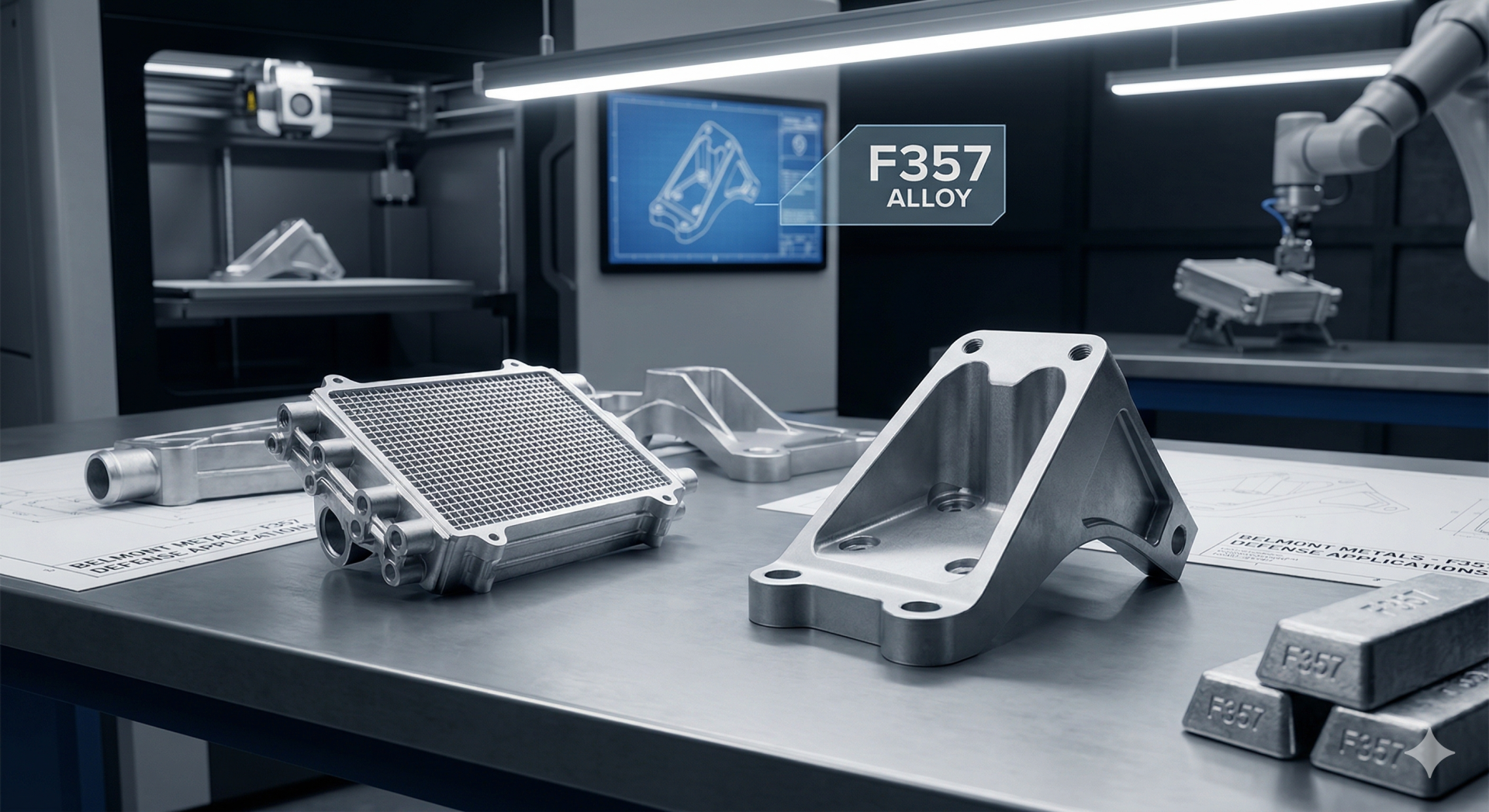
Maximum Strength, Minimum Weight: Why Engineers Choose F357

In the high-stakes world of defense manufacturing, engineers and procurement teams are constantly balancing the need for reduced weight with the absolute necessity of structural integrity. When traditional materials fall short of meeting both criteria, the F357 aluminum alloy emerges as a critical solution. As a premium, high-strength material, F357 provides the precise mechanical performance…
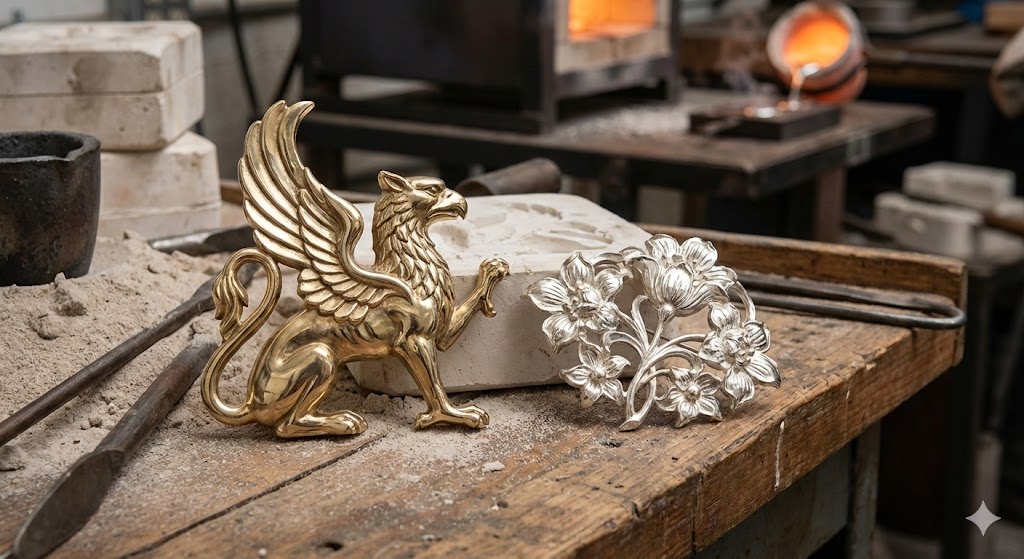
Beyond Gold & Silver: Achieving Detail Without the Premium Price

If you have been monitoring the precious metals market, you know the story: the price of gold and silver continues to see volatility, driven by industrial demand and global economic shifts. For art foundries, sculptors, and jewelry manufacturers, this presents a critical challenge. How do you maintain the “luxury” aesthetic and intricate detail your clients…

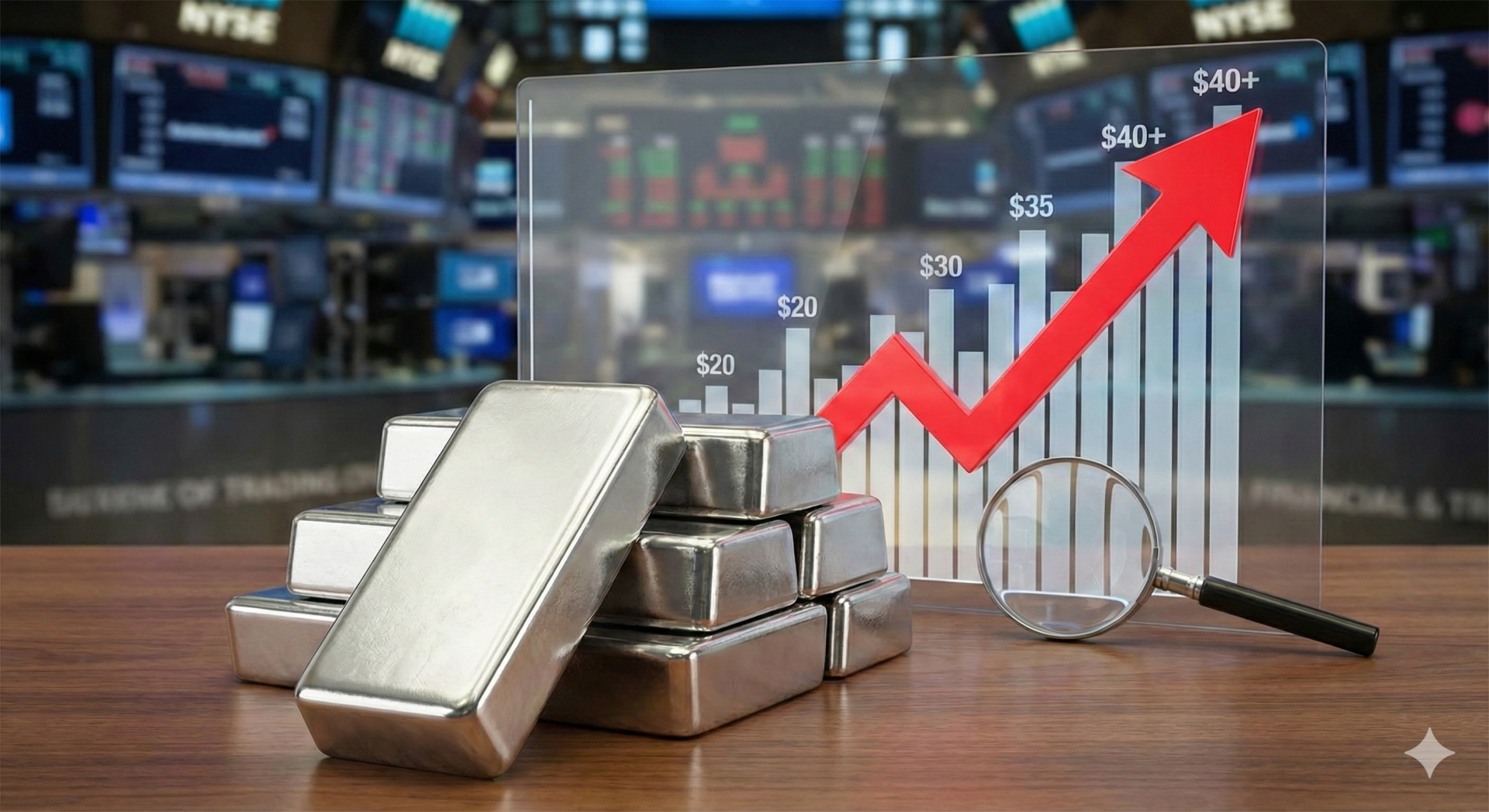
Navigating the Surge: Smart Alternatives to Silver in Your Alloy Spec

If you’ve been tracking the commodities market, you know the story: the Silver market is seeing unprecedented volatility, with prices trending upward due to surging industrial demand in photovoltaics, EVs, and AI hardware. While this is great news for investors, it poses a distinct challenge for us in the manufacturing and engineering sectors. At Belmont…

Silicon-Brass-Alloy-2
Brass vs. Bronze: What Do Engineers Use?

Bronze and brass are both copper alloys, but they solve different problems. One excels at reducing friction, while the other is ideal for applications requiring high levels of conductivity. They also differ in corrosion resistance, wear, machining time, and cost. Understanding how each metal performs under various service conditions can help you meet performance targets…