
When people think of tin, their minds often go to simple plating or tin cans. Yet, in the world of non-ferrous metallurgy, tin is the versatile foundation for a crucial family of materials known collectively as “White Metals.” These alloys are defined by their relatively low melting points, bright silvery appearance, and remarkable range of…
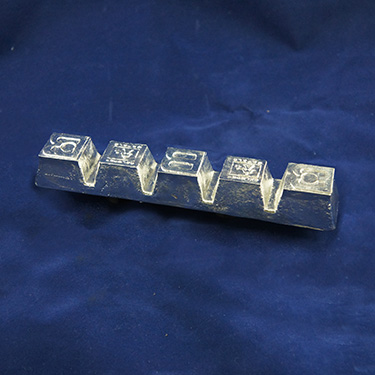
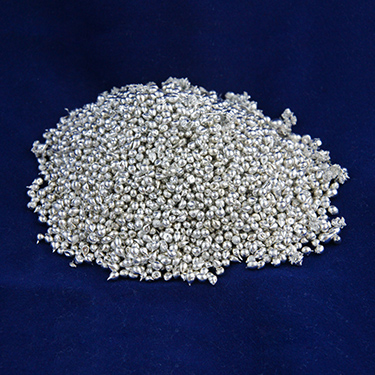
| Forms: |
|
|---|---|
| Belmont Product Code | 7921 |
| Nominal Composition: |
|
|---|
| Technical Info: |
|
|---|
Related products
-
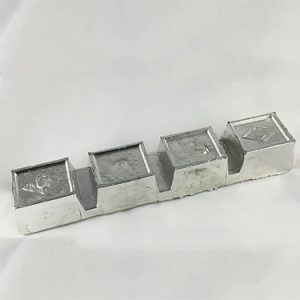
This Lead Free Pewter Alloy is high in Copper to allow it to work well in Open Face, Gravity Pour, Sand and Cast Iron Molds with maximum detail. Has good strength. Forms: - 4-5 Ingot
- 1/4" and Down shot
Belmont Product Code 791NB7 Nominal Composition: - Tin: 91-93% with Antimony and Copper.
Technical Info: - Elongation (2" Section) : 40%
- Liquidus Temperature: 563F
- Solidus Temperature: 471F
- Casting Temperature: 515F
- Brinell: 23.8
- Tensile Strength: 8600 psi
- Solderability: Can be soldered Easily with soft solder
- Finishes: Mechanical, chemical, organic, and electroplated
-
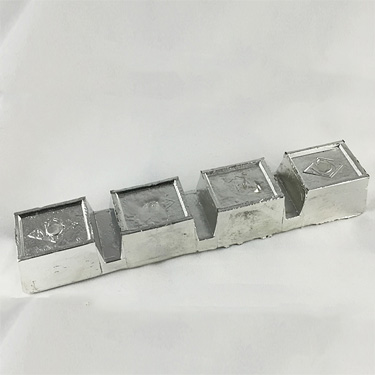
This is a Lead Free Pewter, also referred to as a Britannia Alloy that works well in Spin Cast Molds for designs, such as Fashion (Costume) Jewelry, with thin cross sections or fine filigree and maximum detail requiring less malleability and more strength.
Forms: - 4-5 Ingot
Belmont Product Code 791NR8 Nominal Composition: - Sn: 91-93% with Antimony and Copper in a Proprietary formula enhanced from our standard 7921 Brittania
Technical Info: - Elongation (2" Section) : 30% - 40%
- Liquidus Temperature: 478F - 490F
- Solidus Temperature: 435F - 463F
- Brinell: 21 - 25
- Tensile Strength: 7,000 psi - 9600 psi
- Solderability: Can be soldered Easily with soft solder and flux
- Finishes: Mechanical, chemical, organic, and electroplated
-
This is a high purity Tin based Lead Free Pewter Alloy, that meets or exceeds most Lead Free requirements. We certify it to be less than 50 ppm Lead Content. It works well in Spin Cast Rubber or Silicone Molds for designs with thick cross sections or a smooth, polished finish and some malleability.
Forms: - 4-5 Ingot
Belmont Product Code 798NENTB Nominal Composition: - Sn: 97-99% with Bismuth and Silver in a Proprietary formula
Technical Info: - Elongation (2" Section) : 20% - 40%
- Liquidus Temperature: 465F - 485F
- Solidus Temperature: 515F - 635F
- Density: .23 - .275 lb. / Cu. In. @ 68F
- Brinell: 18 - 25
- Tensile Strength: 5,000 psi - 8700 psi
- Solderability: Can be soldered Easily with soft solder and flux
- Finishes: Mechanical, chemical, organic, and electroplated
RELATED POSTS

Crafting Festive Holiday Decorations with Premium Alloys
As the holiday season approaches, the sparkle of holiday decorations transforms homes and public spaces into enchanting displays of joy and tradition. At Belmont Metals, we specialize in supplying high-quality non-ferrous metals and alloys that form the backbone of these festive creations. For metal buyers and engineers seeking durable, aesthetically superior materials, our product line…
Why Companies Are Switching from Lead to Bismuth for Copper and Tin Alloys
Are you looking for an alternative to lead-based alloys? Many companies are moving away from lead and copper and tin alloys due to the regulations and toxicity associated with the heavy metal, and that often means choosing bismuth. The good news is that bismuth has a relatively low melting point, and it’s durable and malleable…
The Use of White Bronze VS Pewter for Art Casting Applications
When it comes to casting applications, do you know which is better, white bronze or pewter? The most popular choice today and in the past has been pewter, but the use of white bronze has increased in recent years. Here at Belmont Metals, we have both white bronze and pewter that’s perfect for all your…
The Versatility of Pewter: Alloy Types for Decorative Applications
When it comes to decorative alloys, pewter has made a comeback in recent years in the jewelry and crafting industries. This versatile alloy can be found throughout the jewelry world as plated rings, necklaces and bracelets. It is also fashioned into medals, pendants, figurines, statues, and replica coins. Many people may not actually know that…
Safe sparklers
Using lead-free pewter alloys for making jewelry helps alleviate health concerns Adding lead to an alloy can help create characteristics—such as softness and lower melting temperatures—that are useful for many applications. However, lead also is a neurotoxin that is dangerous to animals and humans. Small children are more vulnerable to the effects of lead exposure…