
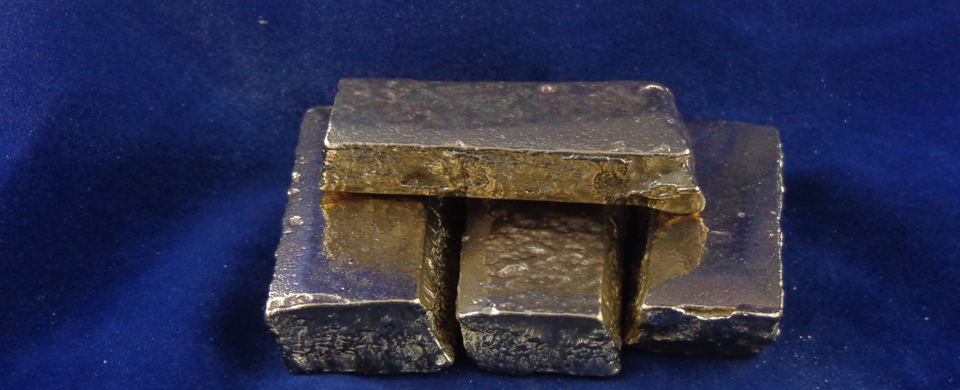
Bronze and brass are both copper alloys, but they solve different problems. One excels at reducing friction, while the other is ideal for applications requiring high levels of conductivity. They also differ in corrosion resistance, wear, machining time, and cost.
Understanding how each metal performs under various service conditions can help you meet performance targets without overspending on materials. Choosing the right metal also helps manufacturers avoid overengineering products. Learn more about how bronze and brass perform in different conditions.
Bronze
Bronze is an alloy of copper and tin that also contains aluminum, silicon, phosphorus, and other elements. It may also contain lead, depending on the grade. Performance often varies based on composition, but engineers value bronze for its durability, high corrosion resistance, and excellent wear behavior. Bronze performs especially well in moist or harsh environments, so it’s often used for marine applications.
Benefits of Bronze
Bronze is known for its reliability and extended service life. When used in bearings, some types exhibit low friction and good embeddability. This helps them absorb contaminants without causing damage. As a result, using bronze can reduce wear and minimize maintenance demands on rotating equipment. Bronze also remains stable under sliding contact and load, so it resists severe wear from friction (galling) better than other metals.
Another benefit of bronze is that it offers a high level of corrosion resistance. Adding aluminum and tin is a common way to increase durability in seawater and high-moisture environments. Tin and aluminum also help bronze withstand the effects of chemical exposure.
Although bronze costs more than other metal alloys, it can reduce downtime and replacement frequency. This makes it a cost-effective choice for safety-critical systems or equipment designed to run constantly.
Real-World Applications of Bronze
Engineers choose bronze when they’re designing for corrosion, wear, or sustained mechanical contact. Thrust washers, worm gears, and bushings are often made from bronze, as they’re all exposed to continuous sliding under load. Bronze reduces friction and prevents metals from sticking together.
Bronze is also used for valve bodies, pump components, and hardware used in marine environments. Many metals break down quickly when exposed to seawater, but tin and aluminum bronzes resist corrosion. They also maintain their strength in harsh marine conditions, extending equipment service life.
Engineers also use bronze for electrical and elastic applications. For example, phosphor bronze is suitable for contacts, springs, and connectors. This type of bronze resists corrosion and offers a high level of fatigue resistance.
Signs an application is a “bronze job” include:
- Continuous sliding contact
- High-load contact
- Presence of salty water
Brass
Brass consists of copper and zinc, combined with small amounts of other elements, such as lead, tin, aluminum, or silicon. Adding these elements allows manufacturers to tailor brass to their needs.
Engineers value brass for its attractive finish, high levels of electrical and thermal conductivity, and reliable corrosion resistance in everyday environments. Brass also has good formability and excellent machinability. This alloy is typically used for high-volume components or precision applications.
Benefits of Brass
One reason brass is so popular is because it machines predictably. High machinability leads to tighter tolerances, shorter cycle times, and reduced tool wear, making brass ideal for large-scale manufacturing of precision components. Brass also offers good electrical and thermal conductivity, so it’s used to make connectors, terminals, and components designed to transfer heat.
Due to its reliable corrosion resistance, brass is a good fit for plumbing and general industrial applications. Although brass comes with higher up-front costs than some materials, its longevity makes it a cost-effective choice. Manufacturers can save money by preventing breakdowns and reducing maintenance-related downtime.
Low-lead and lead-free brasses help engineers address environmental issues, such as regulations designed to prevent contamination of the water supply. When designing components for corrosive water, dezincification-resistant (DZR) brasses are useful for increasing reliability and preventing premature wear.
Real-World Applications of Brass
Brass resists corrosion from steam and water, so it’s a common component of plumbing valves and fittings. It’s a challenge to produce these components at scale without compromising durability. However, brass allows manufacturers to produce leak-free fittings in large quantities. Thanks to its malleability, brass also has a high level of machinability, allowing manufacturers to achieve a tight fit with plumbing threads.
Electrical components also contain brass, as this alloy offers just the right balance of strength and conductivity. Brass is easy to form and shape, especially under moderate electrical loads. As a result, engineers often incorporate it into designs for connector pins, terminals, and contact components.
Decorative hardware, fasteners, and instrument parts all benefit from the attractive finish of brass. Engineers also value brass for its antimicrobial properties, so this alloy has applications in medical manufacturing and other touch applications. Overall, brass is a good choice for applications requiring precision, appearance, and efficient manufacturing.
Recap and Next-Step Guidance
In general, bronze is a good fit for harsh environments or applications requiring high levels of wear resistance. Brass is ideal for conductivity, manufacturability, and cost-effective production. However, the right choice depends on your unique needs.
Before selecting a material, consult material datasheets, confirm environmental risks, and consider the intended manufacturing process. Engineers should also verify compliance requirements early.
Belmont Metals offers premium alloys to meet your exact specifications. Request a custom quote today.