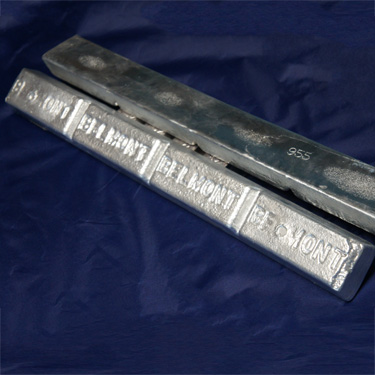
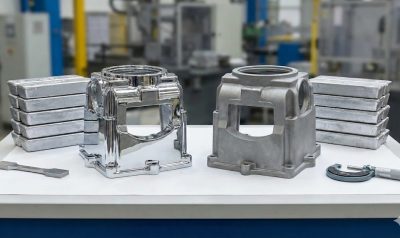
99/1 Zinc Aluminum Solder is a zinc-aluminum alloy with a nominal composition of 99% Zn and 1% Al. The 1% aluminum addition provides modest improvement in fluidity, wettability, and corrosion resistance compared to pure zinc while maintaining the characteristic zinc properties of low cost, low melting point, and atmospheric corrosion resistance. This alloy was used by the Romans and remains commonly specified today in musical instrument manufacturing (particularly brass instrument bells and braces), decorative hardware, and any application requiring a zinc-base joining or casting alloy with improved corrosion resistance over pure zinc. The alloy resists corrosion in atmospheric and marine environments better than pure zinc, making it suitable for hardware, architectural elements, and outdoor fixtures. Available in 4-20 lb ingots.
Available Forms
4-20 Ingot
Product Code
8995
Technical Info
Thermal Properties
Melting Point (Solidus)720
Melting Point (Liquidus)774
Physical Properties
Density (imperial)0.254
Density (metric)7.02
Physical Properties
Primary ElementsZn, Al
Lead FreeYes
Performance tags
Corrosion-Resistant Zinc AlloyHardware and Architectural ApplicationsLong Historical UseMusical Instrument Grade
Nominal Composition
99% Zn
1% Al
Frequently Asked Questions
Common technical inquiries regarding 99/1 Zinc Aluminum Solder
Zinc-aluminum alloys have been used in musical instrument manufacturing for braze-joining bells, braces, and decorative trim on brass instruments — the alloy provides a strong, corrosion-resistant joint that maintains the acoustic performance of the instrument without the high temperatures required for silver brazing. The 1% aluminum improves the joint's resistance to the humid conditions inside wind instruments and the corrosive effects of saliva exposure over the instrument's lifetime. In cast musical instrument components such as tuning slide mechanisms and decorative end caps, zinc-aluminum alloys provide adequate strength and surface quality for plating or lacquering to the high visual standards of premium instruments.
The 1% Al version has a slightly higher zinc content and lower aluminum than the 98/2 grade, producing a marginally higher melting temperature and slightly lower fluidity at equivalent pouring temperatures. Both alloys provide improved corrosion resistance over pure zinc, with the 2% Al grade offering slightly better performance in aggressive industrial and marine environments due to the greater aluminum content in the oxide film. The 1% Al grade is preferred for fine casting and joining applications where the slightly higher zinc purity better matches the base metal being joined, and for applications requiring the closest approximation to pure zinc chemistry with modest property improvements.
99/1 Zinc Aluminum Solder accepts the standard zinc alloy finishing sequence: degreasing, acid pickle to remove surface oxide, copper strike plating for adhesion, followed by decorative plating (nickel, chrome, gold) or painting. Lacquer and powder coat finishes adhere well directly to clean zinc-aluminum surfaces with appropriate primer. Chemical conversion coatings (chromate, phosphate) are applied before painting for improved adhesion and corrosion resistance. For musical instrument applications, the standard finish sequence is copper strike, bright nickel plate, and lacquer topcoat producing the characteristic silver-bright appearance of quality instrument hardware.
95% Zn / 5% Al zinc-aluminum solder with superior corrosion resistance. Available as capping bar; 4-20 ingot; and regular bars. Used for aluminum-to-aluminum and aluminum-to-zinc soldering.