Lead-freeHigh Tin ContentInstrument GradePeriod-Accurate CompositionSuperior Acoustic Resonance
Classic bell metal (78% Cu, 22% Sn) for bells, cymbals, and acoustic instruments. Superior resonance and hardness from high tin content. Ingot, shot, cubes, and cut pieces.
Bell Metal is a copper-tin alloy with a nominal composition of 78% Cu and 22% Sn — the traditional 4:1 copper-to-tin ratio used for casting bells and acoustic instruments for thousands of years. The high tin content above the bronze eutectic produces a hard, brittle alloy with exceptional acoustic resonance properties, giving bells their characteristic long sustain and clear fundamental tone. The elevated tin content also provides hardness and wear resistance significantly greater than standard structural tin bronzes.
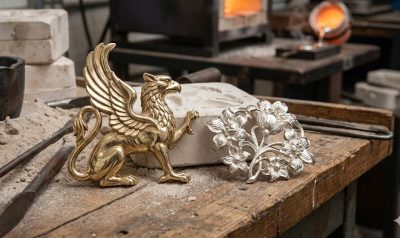
This alloy is specified wherever acoustic resonance quality is the primary requirement — bells of all sizes, cymbals, gongs, singing bowls, and related instruments. Beyond acoustic applications, bell metal’s high hardness and attractive golden color make it suitable for decorative hardware, light-load pivot bearings in clockwork and instrument mechanisms, and museum reproduction work requiring period-accurate alloy composition. The alloy’s brittleness compared to structural bronzes requires casting practices that account for its limited ductility and high shrinkage.
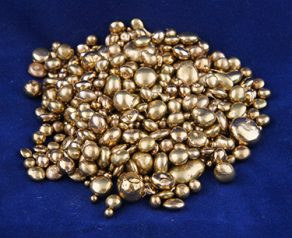
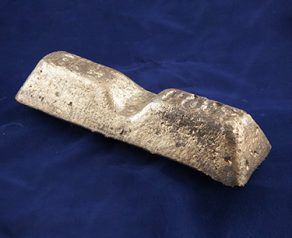
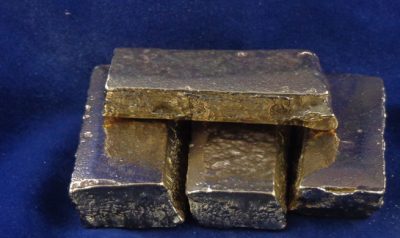
Available in ingot, irregular shot, 1/2″ polished cubes, and 2″ cut pieces to serve instrument foundries, art casters, and engineering applications.
High Tin ContentInstrument GradePeriod-Accurate CompositionSuperior Acoustic Resonance
Nominal Composition
Cu: 78%
Sn: 22%
Frequently Asked Questions
Common technical inquiries regarding Bell Metal, 78% Copper 22% Tin Alloy
At 22% tin, bell metal sits well above the bronze eutectic and contains a significant volume fraction of the hard delta-phase (Cu31Sn8) intermetallic. This phase combination produces an ideal elastic modulus, internal damping coefficient, and density for acoustic applications — the metal vibrates freely with very low energy loss per cycle, sustaining the struck tone long after the initial impact. Lower-tin bronzes (5–10% Sn) have higher internal damping that absorbs acoustic energy and produces shorter, duller ring. The 78/22 ratio has been refined empirically over centuries of bell founding and represents the practical optimum for the characteristic bell sound.
Bell metal's high tin content produces a wide freezing range and high volumetric shrinkage (approximately 1.5–2%), requiring generous risering and gating systems that maintain a liquid metal reservoir above the casting during solidification. The delta-phase microstructure makes the alloy brittle — castings crack if restrained from contracting freely during cooling, so molds must be designed to allow unimpeded contraction in all directions. Machining requires sharp tooling, low feeds, and flood coolant to manage the chipping behavior of the hard, brittle structure. Bells are traditionally cast in simple two-part molds with the cope riser generously oversized to feed the high shrinkage.
Bell metal can serve as a bearing material for the lightest loads and lowest speeds — it is historically used for pivot bearings in precision clockwork and scientific instruments where the high hardness provides wear resistance and the load is measured in grams rather than pounds. However, its brittleness makes it unsuitable for any application involving shock loading, impact, vibration fatigue, or significant bending stress. For any engineering bearing application involving meaningful loads, speeds, or dynamic conditions, purpose-designed bearing bronzes (C93200, C93700, C94300) with 5–15% lead or structural tin bronzes are the correct specification.