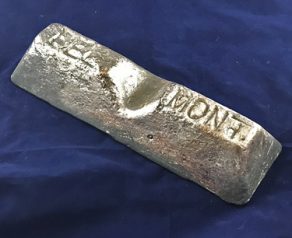
Nickel Silver UNS C97300 is a copper-zinc-nickel-lead casting alloy with a nominal composition of 57% Cu, 20% Zn, 12% Ni, 2% Sn, and 9% Pb, conforming to CDA number 97300. Despite its name nickel silver contains no silver — the nickel content produces a silver-white metallic color that closely resembles silver, making it the standard alloy for decorative hardware, musical instrument components, and plumbing fixtures requiring a silver appearance without precious metal cost. C97300 is specified for decorative architectural hardware, door hardware, plumbing trim, musical instrument valves and keys, flatware, and industrial fittings requiring a silver-white appearance and reasonable corrosion resistance. The high lead content (9%) provides excellent machinability for production of complex threaded and turned components and ensures pressure tightness in cast fittings. Supplied in 2-20 lb ingots for production casting of decorative hardware and industrial components.
Common technical inquiries regarding Nickel/Silver UNS C97300
The silver-white color of nickel silver results from the nickel content bleaching the warm yellow of the copper-zinc base — at 12% nickel the alloy achieves a neutral silver-white tone that closely matches sterling silver in appearance. The color is stable in indoor atmospheric service where the alloy develops a thin adherent oxide that prevents further oxidation. In humid or outdoor environments nickel silver tarnishes to a grey-green patina that can be removed by standard polishing.
C97300 has a machinability rating of approximately 70% relative to free-cutting brass reflecting the high lead content (9%) that produces short chips and allows high cutting speeds. Carbide tooling at 200-350 SFM with flood coolant produces good surface finishes on turned components. The alloy taps and threads cleanly making it well suited to the production of threaded fittings and valve components.
Yes — C97300 is the standard base metal for silver-plated flatware, hollowware, and decorative hardware. The copper-base composition accepts silver electroplating readily using standard silver plating solutions with a thin copper or nickel strike underplate for adhesion. The plated silver layer dramatically improves tarnish resistance compared to the unplated base metal. For flatware applications a minimum silver plating thickness of 20-40 microns is standard.