Lead-freeAluminum-to-Aluminum SolderingCapacitor Spray WireLower Temperature Than Zn-Al SoldersHigh Tensile Strength
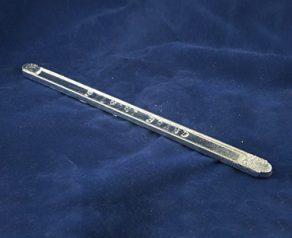
Tin-zinc solder in capping bar, ingot, and wire forms. Used for aluminum-to-aluminum and aluminum-to-copper soldering at lower temperature than zinc-aluminum solders.
Tin-Zinc Solder is a tin-zinc alloy formulated primarily for soldering aluminum to aluminum or aluminum to copper, where a lower soldering temperature than zinc-aluminum solders is required. Zinc-aluminum solders typically require temperatures above 700F that can distort thin aluminum assemblies, while tin-zinc compositions flow at lower temperatures while still providing adequate wetting and adhesion to aluminum surfaces. This alloy is used extensively in spray wire form for metallizing capacitors and other electronic parts made from aluminum, providing a tin-zinc interface layer that improves subsequent soft solderability of the aluminum component end caps. It also has high tensile strength for a solder alloy, making tin-zinc joints more mechanically durable than standard tin-lead joints in comparable applications. Forms: 1/4 lb capping bars, 2-8 lb ingots, and 2mm diameter (0.078″-0.079″) wire.
Aluminum-to-Aluminum SolderingCapacitor Spray WireLower Temperature Than Zn-Al SoldersHigh Tensile Strength
Nominal Composition
70% Sn
30% Zn
Frequently Asked Questions
Common technical inquiries regarding 70/30 Tin Zinc Solder
Aluminum forms a stable, tenacious oxide layer that conventional tin-lead solders cannot wet even with standard fluxes. Zinc in the solder alloy attacks and dissolves this oxide layer more effectively than tin alone, enabling metallurgical bonding to the aluminum surface. Tin-zinc compositions are formulated to provide this aluminum wetting capability at acceptably low temperatures while maintaining adequate joint strength.
Zinc-aluminum solders (typically 95% Zn, 5% Al) melt above 700F and produce harder, stronger joints with excellent long-term corrosion resistance, preferred for structural aluminum joints requiring maximum durability. Tin-zinc solders melt at lower temperatures (typically 390-500F depending on composition), making them suitable for heat-sensitive aluminum assemblies, thin-section work, and electronic applications where the higher zinc-aluminum process temperature would damage the component or cause distortion.
Aluminum soldering requires a specialized active flux capable of breaking down the aluminum oxide layer at the soldering temperature. Organic acid fluxes or special aluminum soldering fluxes containing zinc chloride, ammonium chloride, or fluoride compounds are required. Standard rosin fluxes used for copper soldering are not effective on aluminum. All flux residues must be thoroughly removed after soldering as aluminum flux residues are highly corrosive and will rapidly attack the base metal and joint if left in place.
This Solder has good corrosion resistance and tensile strength. With a melting range beginning at 390 Deg. F. it avoids causing damage to critical electronics as well preventing substrate deformation and segregation. It is used very often in spray wire form for capacitors and other electronic parts.
50% Sn / 50% Pb general purpose solder in regular bar and capping bar forms. Wide melting range. Used for automotive radiator, gutter repair, and electrical applications.
60% Sn / 40% Pb near-eutectic solder in bar form. Used for delicate electronics, precision soldering, and applications where narrow melting range is critical.