Product Code: 7601DS1C

#60 Aluminum Solder (Tin/Zinc)

Lead-freeLow Process Temperature Capacitor Spray Wire Corrosion Resistant Electronics Grade
This Solder has good corrosion resistance and tensile strength. With a melting range beginning at 390 Deg. F. it avoids causing damage to critical electronics as well preventing substrate deformation and segregation. It is used very often in spray wire form for capacitors and other electronic parts.
Solidus
390°F (199°C)
Liquidus
645°F (341°C)
Density
0.261 lbs/in³ (7.23 g/cm³)
Primary Elements
Sn · Pb
Nominal Composition
39.5% Zn, 60.5% Sn
Custom request

Can't find the right composition?

Product Overview

This Solder has good corrosion resistance and tensile strength. With a melting range beginning at 390 Deg. F. it avoids causing damage to critical electronics as well preventing substrate deformation and segregation. It is used very often in spray wire form for capacitors and other electronic parts.

Available Forms

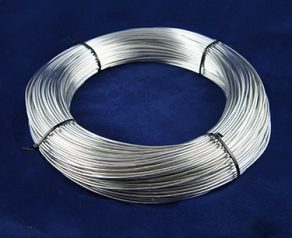
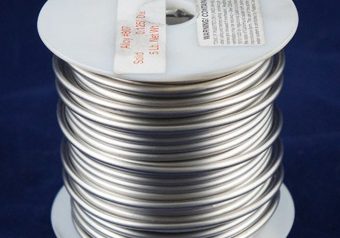
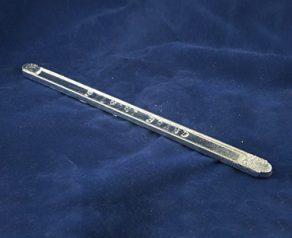
1/16" Dia. Plus .000" Minus .004" on 5 Lb. Spools, 2-5 Ingot, Cast Flat Anodes

Product Code

7601DS1C

Technical Info

Thermal Properties

Melting Point (Solidus)390°F (199°C)
Melting Point (Liquidus)645°F (341°C)

Physical Properties

Density (imperial)0.261 lbs/in³
Density (metric)7.23 g/cm³
Primary ElementsSn · Pb
Lead FreeYes
Key Features
Low Process TemperatureCapacitor Spray WireCorrosion ResistantElectronics Grade

Nominal Composition

  • 60.5% Sn
  • 39.5% Zn

Frequently Asked Questions

Common technical inquiries regarding #60 Aluminum Solder (Tin/Zinc)
Electronic components such as ceramic capacitors, resistors, and substrates have maximum temperature ratings that, if exceeded, cause cracking, delamination, or electrical parameter shifts. A solder with a process temperature starting at 390F provides meaningful margin below these component ratings. For spray wire metallization, the lower atomization temperature reduces oxidation of the spray deposit and produces a more uniform, adherent coating on the component end caps.
In electronics, solder corrosion resistance refers to the joint's ability to resist degradation from humidity, flux residues, and environmental exposure over the product's service life. Corroded solder joints increase electrical resistance, can become intermittent, and eventually fail open circuit. Tin-lead solders with appropriate tin content form stable oxide layers that limit further oxidation and their resistance to common environmental conditions makes them reliable for long-service electronics when flux residues are properly cleaned after soldering.
In spray wire form, the alloy is fed through a thermal spray gun where it is melted and atomized by a gas flame or electric arc, propelling fine molten droplets onto the component surface to form a metallized coating. In pot soldering, the ingot is melted into a solder pot and parts are dipped or wave-soldered through the liquid solder. Both applications benefit from the 390F low-temperature onset but use entirely different process equipment.

Safety Data (SDS)

Request a Quote

Complete our Quote form, and we'll respond with options for you!