
Product Code: 48515

#15 Nickel Degasifier

Lead-freeNickel Alloy Degasifier Reduces Gas Porosity Proprietary Compound Low Dross Formation
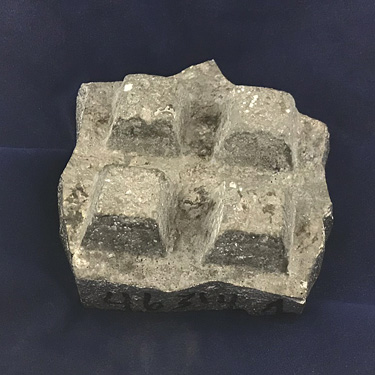
Proprietary compound degasifier formulated for removing unwanted gases from nickel alloy melts. Lump form.
Solidus
1,100°F (593°C)
Liquidus
1,700°F (927°C)
Density
0.18 lbs/in³ (5 g/cm³)
Primary Elements
Cu · Si · Mg · Ca
Nominal Composition
Proprietary
Custom request

Can't find the right composition?

Product Overview

Number 15 Nickel Degasifier is a proprietary compound degasifier engineered specifically for use with nickel alloys. The composition is proprietary and the product is formulated to effectively remove unwanted dissolved gases — primarily hydrogen and nitrogen — from nickel alloy melts without excessive dross formation or adverse effect on alloy chemistry. Degassing is critical in nickel alloy casting where dissolved gas is a primary cause of porosity in finished castings. This compound provides a more convenient and consistent treatment than elemental degassing agents for nickel alloy foundry applications. Forms: 2 inch and down lump form for direct addition to the melt.

Available Forms

2" and Down

Product Code

48515

Technical Info

Thermal Properties

Melting Point (Solidus)1,100°F (593°C)
Melting Point (Liquidus)1,700°F (927°C)

Physical Properties

Density (imperial)0.18 lbs/in³
Density (metric)5 g/cm³
Primary ElementsCu · Si · Mg · Ca
Lead FreeYes
Key Features
Nickel Alloy DegasifierReduces Gas PorosityProprietary CompoundLow Dross Formation

Nominal Composition

  • Proprietary

Frequently Asked Questions

Common technical inquiries regarding #15 Nickel Degasifier
The primary target gases are hydrogen and nitrogen, both of which dissolve readily in molten nickel at casting temperatures and precipitate as porosity during solidification as solubility drops. Hydrogen is particularly problematic — nickel has among the highest hydrogen solubility of all common casting metals, and even small dissolved hydrogen concentrations produce subsurface and internal porosity in nickel alloy castings that compromise mechanical properties and pressure tightness.
Add lumps by plunging below the melt surface using a clean preheated plunger rod — do not simply drop onto the melt surface where reaction will be incomplete. Addition rate depends on the melt's gas burden and the specific nickel alloy; contact Belmont for current technical recommendations for your alloy and furnace configuration. Treat at the appropriate melt temperature for the alloy, skim the reaction products from the surface, and verify temperature before pouring.
This degasifier is formulated for the nickel alloy family broadly, which includes nickel-copper, nickel-chromium, and other nickel-base alloys where hydrogen and nitrogen porosity are production quality concerns. For specific compatibility with Monel or high-chromium nickel alloys, contact Belmont technical support — compound degasifier formulations interact with alloy chemistry and the correct product selection depends on the specific alloy being processed.

Safety Data (SDS)

Request a Quote

Complete our Quote form, and we'll respond with options for you!