


Silver as an Additive for Copper and Aluminum Alloys
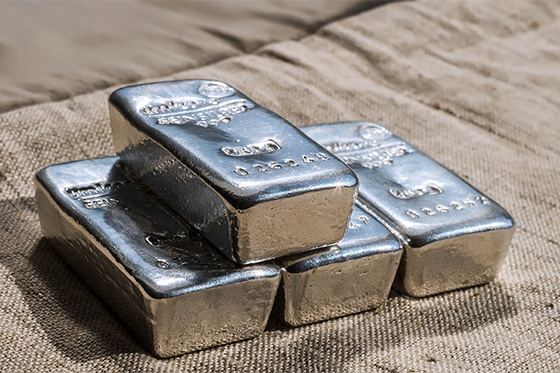
Silver is best known for jewelry, coins and tableware, but it also plays a valuable behind-the-scenes role in industry. In small, carefully controlled amounts, silver as an additive can make copper and aluminum alloys stronger, more heat resistant and better performing. At Belmont Metals, we help buyers and engineers understand when a silver-bearing alloy is worth the investment, and here is a practical overview.
Why Silver Is a Useful Alloying Element
-
Unmatched conductivity: silver has the highest electrical and thermal conductivity of any metal, so small additions do little harm to conductivity in copper.
-
Strength through precipitation: in some aluminum alloys, silver helps form extremely fine strengthening particles during heat treatment.
-
Corrosion resistance: as a noble metal, silver resists oxidation, although it can tarnish in the presence of sulfur.
-
Ductility: silver is soft and workable, which makes it easy to alloy without making the base metal brittle.
Because silver is a precious metal, it is almost always used in small additions where its effect is greatest per ounce.
Copper and Silver Alloys
Silver-bearing copper contains only a few hundredths of a percent of silver, yet that small amount noticeably raises the temperature at which cold-worked copper softens. The result is copper that keeps its strength after soldering, brazing or exposure to heat, with almost no loss of conductivity. Typical uses include commutators, motor and generator windings, and electrical components that see heat in service or assembly.
Silver and copper also come together in silver brazing alloys, which join copper, brass and steel with strong, conductive, leak-tight joints in HVAC, refrigeration and electrical work.
When melting copper with silver additions, protect the melt from oxygen. Copper picks up oxygen readily, and excess oxygen can lead to porosity and discolored castings, so good deoxidation practice matters.
Aluminum and Silver Alloys
In aluminum, silver is a specialty addition found in some of the highest-strength aluminum-copper-magnesium alloys. Working together with copper and magnesium, a fraction of a percent of silver promotes very fine strengthening precipitates during heat treatment, improving strength and performance at elevated temperatures.
The best-known casting example is A201, a premium-strength aluminum casting alloy containing roughly 0.4–1.0% silver. A201 is used for highly stressed aerospace and defense castings where its strength-to-weight ratio justifies the extra care and cost. Silver-bearing wrought alloys are likewise used for demanding aerospace structural plate.
Is a Silver-Bearing Alloy Right for You?
-
Choose silver-bearing copper when parts must stay strong after soldering, brazing or heat exposure without sacrificing conductivity.
-
Consider A201-type aluminum when you need maximum casting strength and can manage tighter foundry controls.
-
Weigh the cost: silver prices move with the precious metals market, so it pays to confirm that the performance gain is needed for your application.
Source Silver-Bearing Alloys From Belmont
Belmont Metals supplies A201.1 aluminum ingot, high-purity copper and copper master alloys, and custom compositions with silver additions made to your specification, all with full chemical certification.
Exploring a silver-bearing alloy? Contact our team and we will help you find the right composition for your application.