Lead-freeMIL-DTL-18001L1/4" to 1" NPT Hex Brass Plug1" to 24" Rod Length OptionsEngine and Heat Exchanger Protection
MIL-DTL-18001L Class 1 zinc pencil anodes with hex brass plugs. Plug sizes 1/4" to 1" NPT, rod lengths 1" to 24". Used to protect engine cooling passages, stern drives, and marine equipment from electrolytic corrosion.
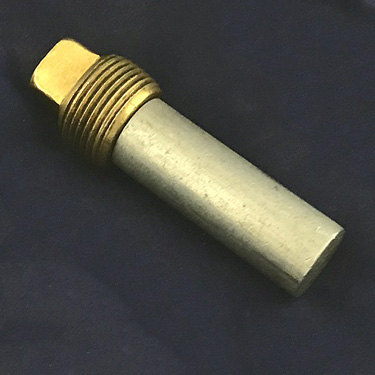
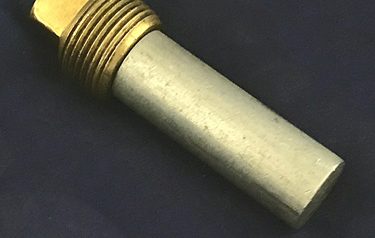
MIL-DTL-18001L Class 1 Zinc Pencil Anodes are sacrificial zinc anode rods used to protect marine engine cooling water passages, stern drive components, heat exchanger tubes, and other enclosed or semi-enclosed metallic surfaces from electrolytic corrosion. Each pencil anode consists of a cylindrical zinc rod conforming to MIL-DTL-18001L Class 1 composition attached to a hex brass plug in standard NPT pipe thread sizes from 1/4″ to 1″. The brass plug threads into a port in the engine block, heat exchanger housing, or marine hardware suspending the zinc rod inside the cooling water passage where it preferentially corrodes to protect the surrounding metal. Rod lengths range from 1″ to 24″ to accommodate different passage lengths and anode mass requirements. The pencil anode is consumed by electrolytic action that would otherwise corrode and harm the engine block, impeller housing, heat exchanger, or drive components. Regular replacement of pencil anodes is a standard marine maintenance procedure – spent anodes should be replaced before they are fully consumed to ensure continuous protection.
1/4" to 1" NPT Hex Brass Plug1" to 24" Rod Length OptionsEngine and Heat Exchanger Protection
Nominal Composition
99.55% Zn
Bal
Frequently Asked Questions
Common technical inquiries regarding MIL-DTL-18001L CL.1 Zinc Pencil Anodes
Pencil anodes in engine cooling passages should be inspected at every annual service and replaced when 50% or more of the zinc mass has been consumed - waiting until the anode is fully depleted leaves the engine block unprotected for an unknown period. In highly corrosive environments (tropical salt water, areas with high dissolved copper from upstream bronze fittings, or where stray current corrosion is present) quarterly inspection and replacement may be necessary. A freshly replaced anode that shows 50% consumption within 3 months indicates an accelerated corrosion problem that requires investigation beyond routine anode replacement.
The hex geometry of the brass plug fits standard open-end wrenches and socket sets available in any mechanic's toolkit - no specialized marine tooling is required for routine anode inspection and replacement. The NPT thread on the plug seals against the engine block port using thread sealant and does not require a torque wrench making field replacement straightforward. This standardization was intentional in the MIL specification to ensure that military vessels could perform anode maintenance in field conditions with standard tools.
Zinc anodes are appropriate for steel and cast iron marine engines in salt water. For aluminum outboard motors and stern drives operating in salt water zinc anodes provide adequate protection. However in fresh water and brackish water aluminum sacrificial anodes are preferred over zinc because zinc develops a passivating oxide film in low-conductivity fresh water that reduces its protection current output. Magnesium anodes are used for fresh water applications where even higher driving potential is needed. Mixing anode materials on the same vessel or engine should be avoided as it can create galvanic couples between the anodes themselves.
MIL-DTL-18001L Cathodic Zinc Anode Type ZEP Style B
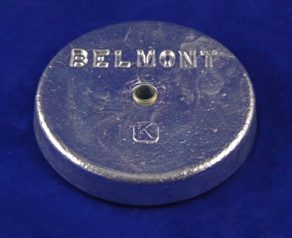
MIL-DTL-18001L Type ZEP Style B round zinc anodes, 2″ to 11″ diameter, 1″ thick. Configurations include 3/8″ or 1/2″ IPS. Used for cathodic protection of steel hulls and tanks.
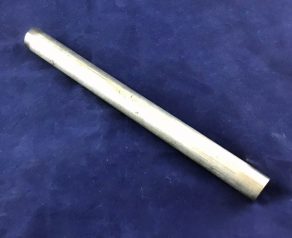
MIL-DTL-18001L Class 2 Type ZRN zinc rods with full mill certification. Three diameters in 72″ lengths. Used as pencil anode stock and for marine cathodic protection rod applications.