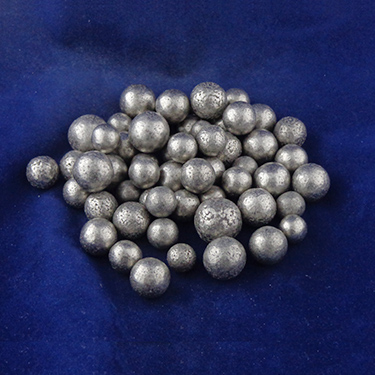
Lead-freeGrade N High Purity1/4" x 3/4" PelletHigh FlowabilityDecorative and Functional Plating
Electrolytic Grade N nickel in 1/4" x 3/4" pellet form. Used for decorative and functional nickel electroplating providing corrosion protection, wear resistance, and high luster finish.
Electrolytic Grade N Nickel is a high-purity electrolytic nickel supplied as 1/4″ x 3/4″ pellets specifically sized for easy loading and excellent flowability in anode baskets of all shapes and sizes. Nickel electroplating is one of the most broadly applied metal finishing processes used for decorative applications (high luster corrosion-resistant finish on automotive trim, household hardware, and consumer electronics), functional applications (wear resistance on industrial tooling and components), and as a base layer in decorative nickel-chrome finishing systems. Grade N nickel provides the high purity required for consistent bath chemistry, good anode dissolution efficiency, and deposit quality across all major nickel plating bath types including Watts nickel, sulfamate nickel, and nickel sulfate baths. The pellet form’s flowability ensures uniform filling of anode baskets of all geometries and the small pellet size provides consistent surface area presentation to the bath throughout anode dissolution. Forms: 1/4″ x 3/4″ pellets.
Available Forms
1/4" x 3/4" Pellets
Product Code
9002
Technical Info
Thermal Properties
Melting Point (Solidus)2,651°F (1,455°C)
Melting Point (Liquidus)2,651°F (1,455°C)
Physical Properties
Density (imperial)0.321 lbs/in³
Density (metric)8.89 g/cm³
Primary ElementsNi
Lead FreeYes
Key Features
Grade N High Purity1/4" x 3/4" PelletHigh FlowabilityDecorative and Functional Plating
Nominal Composition
99.95% Ni
Frequently Asked Questions
Common technical inquiries regarding Electrolytic Grade N Nickel
Grade N (depolarized) nickel contains a small amount of carbon (approximately 0.02%) that promotes active dissolution in nickel plating baths preventing anode passivation. Grade S (sulfur-activated) nickel contains a controlled amount of sulfur (approximately 0.02-0.05%) that more aggressively promotes active dissolution and is especially effective in high-sulfate baths and Watts nickel operations where Grade N may passivate at certain current densities. Grade S is the preferred choice for most production nickel plating. Grade N is used where sulfur content in the deposit must be minimized.
Nickel anode passivation occurs when a nickel oxide film forms on the anode surface blocking further dissolution and causing the bath nickel concentration to fall while the anode voltage rises. Passivation is identified by a rising cell voltage, declining nickel concentration in bath analysis, and a yellow-green oxide coating on the anode surface. It is corrected by reducing bath pH to below 4.0, increasing bath agitation, reducing anode current density by adding anode area, or switching to sulfur-activated Grade S pellets.
Decorative nickel plating (bright nickel in a nickel-chrome system) is typically applied at 5-20 microns (0.0002"-0.0008") sufficient to provide a bright corrosion-resistant base for chrome topcoat without excessive cost. Functional wear-resistant nickel is applied at 25-75 microns (0.001"-0.003") for moderate wear applications such as tooling and mold components and up to 250 microns (0.010") or more for heavy-duty industrial wear surfaces.
Cadmium pellets in 5-20 mesh for vacuum deposition and electroplating. Used as sacrificial coating source for steel, cast iron, copper, and powdered metal substrates.
99.99% SHG zinc in 2″ diameter solid ball anode form. No flash or gates. Used for electroplating applications requiring consistent dissolution in anode baskets.