Lead-freeMultiple Wire DiametersLow Coefficient of FrictionElectroplating Anode WireFatigue Resistant
The principal uses of Cadmium are in low melting-point alloys and in the manufature of paint. Due to a low coefficient of friction and its resistance to fatigue, cadmium is often used in bearing and solder. It is also used extensively in electroplating, which accounts for about 60% of its use.
The principal uses of Cadmium are in low melting-point alloys and in the manufature of paint. Due to a low coefficient of friction and its resistance to fatigue, cadmium is often used in bearing and solder. It is also used extensively in electroplating, which accounts for about 60% of its use.
Multiple Wire DiametersLow Coefficient of FrictionElectroplating Anode WireFatigue Resistant
Nominal Composition
99.95% Cd
Trace
Frequently Asked Questions
Common technical inquiries regarding Cadmium Metal
Cadmium has one of the highest thermal neutron absorption cross-sections of any naturally occurring element (approximately 2,450 barns), making it highly effective at capturing slow neutrons and moderating fission chain reactions. Control rods containing cadmium can be inserted or withdrawn to precisely regulate reactor power output, requiring high purity cadmium for consistent neutron absorption behavior.
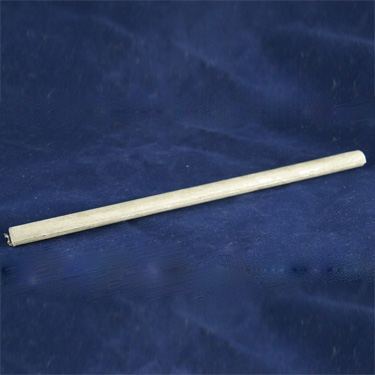
Cadmium sticks (1/2" dia. x 9" long) are sized for use as soluble anodes in cadmium electroplating baths. The anode dissolves during plating to replenish cadmium ions consumed at the cathode, maintaining bath concentration. The consistent 9" length allows multiple sticks to be loaded into standard anode baskets, and the 1/2" diameter provides a controlled dissolution surface area.
Cadmium plating remains in use for aerospace and military fastener applications under RoHS exemptions, as no alternative has fully replicated cadmium's combination of corrosion resistance, low hydrogen embrittlement risk, lubricity, and compatibility with high-strength steel. However, zinc-nickel alloy plating has displaced cadmium in many commercial aerospace applications where RoHS compliance is required.
Request a Quote
Complete our Quote form, and we'll respond with options for you!