


Magnesium-Infused Aluminum Alloys and Their Benefits for Manufacturers
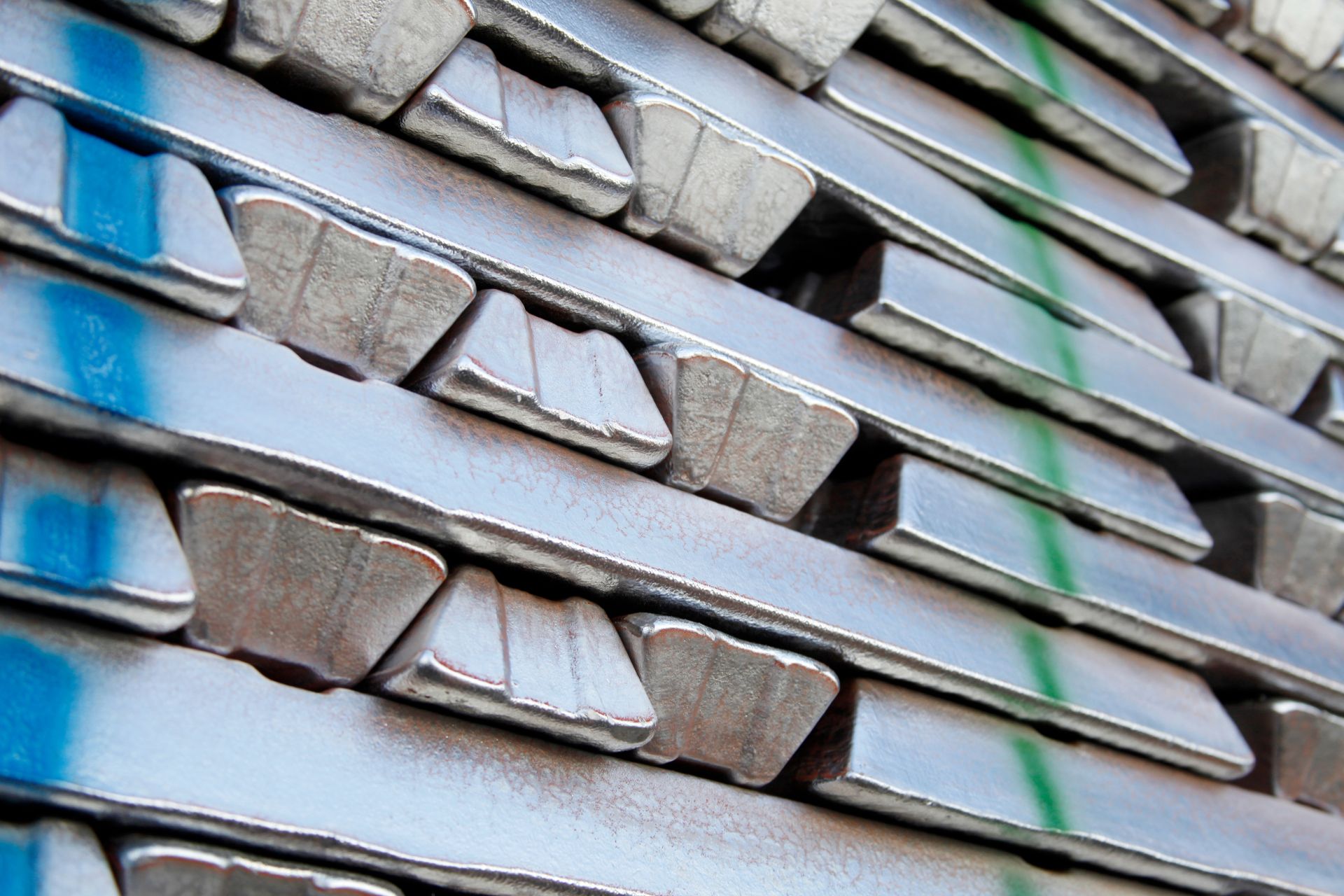
Aluminum on its own is light and corrosion resistant, but not very strong. Magnesium is one of the most important additions that changes that, and at Belmont Metals it is one of the alloying questions we hear most often. Magnesium-bearing aluminum alloys show up in everything from marine plate and truck trailers to aerospace castings and pump housings. Here is how magnesium strengthens aluminum, which alloy families depend on it, and how foundries add it to the melt.
The Short Version
-
Strength: magnesium strengthens aluminum on its own and, combined with silicon, makes heat-treatable alloys that can be strengthened dramatically.
-
Low weight: magnesium is lighter than aluminum, so strength goes up without adding weight.
-
Corrosion resistance: aluminum-magnesium alloys are among the best performers in marine environments.
-
Weldability and formability: many magnesium-bearing wrought alloys weld and form well.
How Magnesium Strengthens Aluminum
Solid solution strengthening. Magnesium dissolves into the aluminum crystal lattice and distorts it, making it harder for the metal to deform. This is how the 5xxx wrought alloys and the 5xx casting alloys get their strength, with no heat treatment required.
Precipitation hardening with silicon. When magnesium and silicon are both present, heat treatment forms extremely fine magnesium silicide (Mg2Si) particles inside the metal. These particles block deformation and can raise strength substantially. This mechanism is behind the 6xxx wrought alloys and the widely used 3xx aluminum-silicon-magnesium casting alloys.
Wrought Alloys
-
5xxx series (aluminum-magnesium): strengthened by magnesium and work hardening rather than heat treatment. Known for excellent corrosion resistance and weldability. Typical uses include boat hulls, marine structures, truck bodies, tanks and pressure vessels.
-
6xxx series (aluminum-magnesium-silicon): heat treatable, easy to extrude and the most common family for architectural and structural extrusions.
Casting Alloys
-
3xx aluminum-silicon-magnesium (A356, A357, C357): silicon provides fluidity and castability, while a few tenths of a percent of magnesium allows T6 heat treatment for high strength. These are the go-to alloys for pressure-tight structural castings, pump housings, impellers and aerospace parts.
-
5xx aluminum-magnesium (such as 520.2): very high magnesium content gives excellent strength, elongation, shock resistance and marine corrosion resistance. These alloys are more demanding to melt and cast, and need careful oxidation control.
Adding Magnesium to the Melt
Magnesium oxidizes readily and some of every addition is lost as dross, often called burn-off. A few practices keep losses and variability down:
-
Use a master alloy. 50/50 magnesium-aluminum is brittle, easy to break into exact weights and closer in density to molten aluminum than pure magnesium, so it mixes in faster with less burn-off. It is also safer to handle than pure magnesium.
-
Add it late and below the surface. Plunging the addition and minimizing time at temperature reduces oxidation losses.
-
Protect high-magnesium melts. Small additions of beryllium-aluminum or lithium-aluminum master alloy form a protective film on the melt surface that reduces dross and magnesium loss.
-
Verify chemistry. Expect some loss on every heat and confirm magnesium by analysis before pouring critical parts.
Belmont Products for Magnesium-Bearing Aluminum
Belmont supplies 50/50 magnesium-aluminum master alloy, 99.8% magnesium, beryllium-aluminum and lithium-aluminum master alloys for melt protection, and finished casting ingot including A356.2, A357.2, C357.2 and 520.2, all with full chemical certification.
Need help hitting a magnesium target or choosing an alloy? Talk to our team.